
Why balance exercises should be an essential part of every cancer survivor’s recovery plan.
After my cancer treatment, I expected some weakness, but I never expected to feel so unsteady on my feet for so long after treatment.
At the time, I assumed my balance would bounce right back on its own. That assumption evaporated when I tried to stand on one leg. I lasted for about 2-3 seconds. That was my wake-up call. This one simple test told me that I needed to take my balance much more seriously or I could find myself in really deep trouble.
Why People Overlook Balance
People can overlook the importance of balance as part of their cancer recovery many several reasons:
- Balance Deficits Can Be Subtle: People often adapt subconsciously to their physical deficits by moving more slowly, avoiding certain activities, or relying on external supports.
- Balance is an Invisible Skill: Balance may not be as easily measurable as some other aspects of fitness.
- Seen as a Byproduct of Exercise: People may assume balance is simply a byproduct of strength, endurance, or flexibility exercises.
- Fear of Vulnerability: Balancing exercises can be frustrating. Wobbling feels like a sign of weakness, leading many to avoid it rather than lean into the challege.
- Balance Seems Too Easy: Survivors may prioritize visible gains in strength or stamina, assuming balance work is less challenging or urgent and therefore underestimating its importance.
- Lack of Education: People may not realize how balance deficits directly contribute to long-term issues like risk of falls or reduced mobility.
Why Balance Is Critical for Cancer Survivors

Balance is the body’s ability to maintain control in both its stability and movement, whether at rest or in motion. Cancer treatments—such as chemotherapy, radiation, surgery, and long periods of inactivity—can directly disrupt the systems responsible for balance, including the nervous system, muscular strength, joint stability, and sensory feedback from the feet and inner ear.
For many survivors, treatment-related neuropathy, muscle weakness, joint stiffness, and fatigue combine to create instability. This increases the risk of falls, which can lead to injuries, loss of independence, and setbacks in recovery. Beyond fall prevention, balance affects nearly every daily activity: walking, climbing stairs, reaching overhead, turning, or navigating uneven ground. Improving balance helps survivors move more efficiently, regain trust in their bodies, and restore their quality of life.
Benefits Across All Fitness Levels and Ages
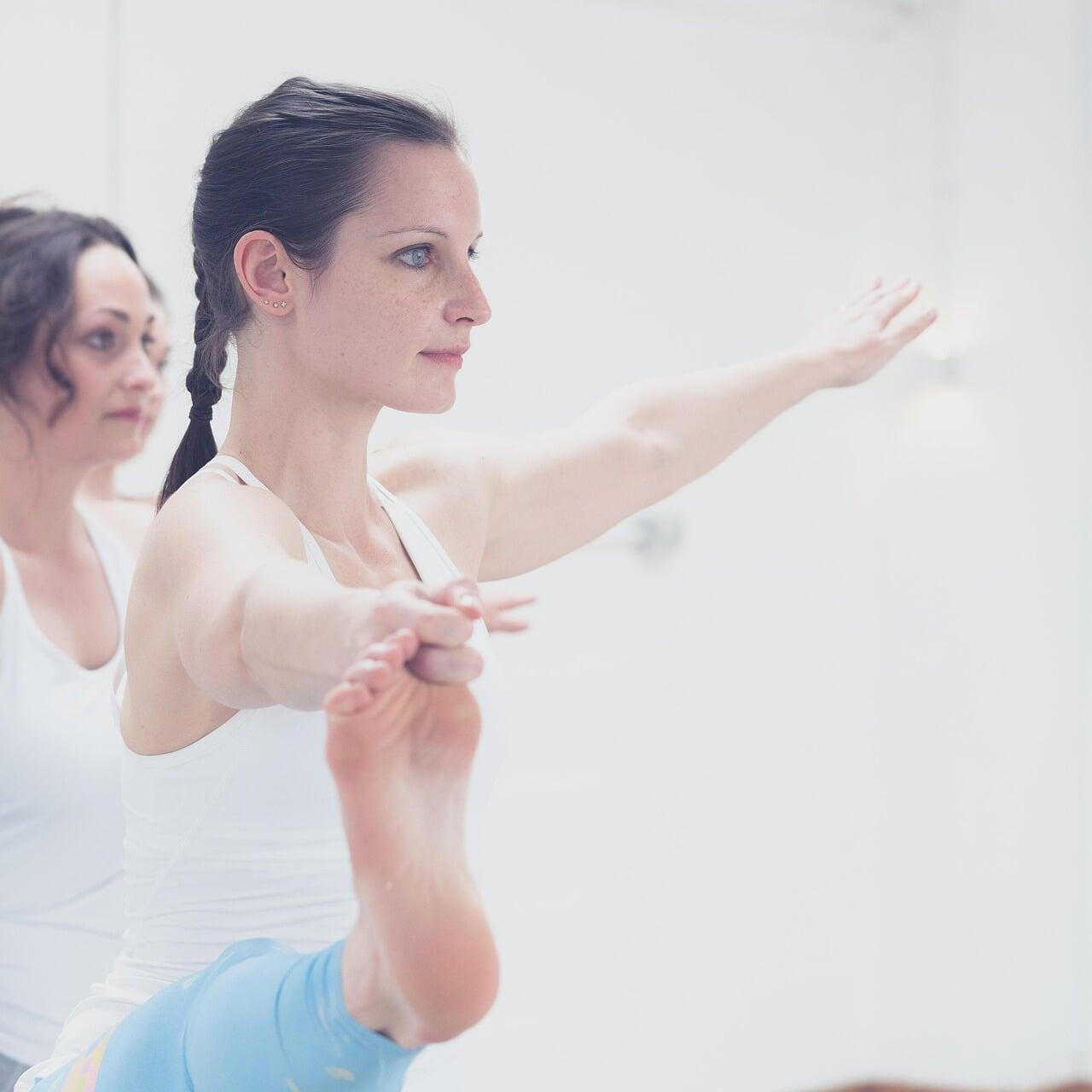
Balance training is uniquely adaptable and beneficial for survivors at every stage of recovery and across all age groups. The beauty of balance exercises lies in their adaptability—anyone can start where they are and progress over time. They enhance core stability, coordination, and confidence, benefiting beginners rebuilding after treatment, intermediates seeking daily functionality, and advanced users aiming for peak performance.
Balance as a Foundation of Physical Health
Balance is not an isolated skill—it is a foundational element that supports all other aspects of physical health. Strength without balance increases injury risk. Endurance without balance leads to inefficient, unsafe movement. Flexibility without balance can compromise joint control. Balance integrates strength, mobility, coordination, and neurological function into a unified system.
For cancer survivors, rebuilding balance is about more than preventing falls—it is about restoring functional mobility, autonomy, and confidence. Balance training reinforces the body’s ability to respond to real-world demands, adapt to changing environments, and move with intention rather than hesitation.
Conclusion
When balance is prioritized alongside strength, endurance, and flexibility, survivors are better equipped to rebuild not just their bodies, but their confidence and independence as well. For cancer survivors, prioritizing balance means investing in long-term vitality, reducing risks, and embracing a fuller life.
Start small today and watch how this essential practice elevates your entire recovery journey.
Final Thoughts
As a cancer survivor myself, I’ve had a lot of time to reflect on my own recovery. At the beginning, I was pretty unsteady on my feet. There were many days when I felt like my body was a stranger to me. My muscles didn’t respond like they used to, my movements were rickety, and there seemed to be a constant disconnect that was incredibly frustrating.

I made a conscious decision to steady myself and rediscover my center of gravity. Once I began incorporating balance exercises into my routine, I noticed improvements within a few short weeks—not just physically, but a shift in my mindset as well. My wobbling stopped being a reminder of how diminished I felt and became an opportunity to retrain my brain through balance work. Without realizing it at the time, I had set a virtuous cycle in motion.
Looking back now, the lesson is obvious. When balance became a consistent part of my routine, recovery no longer felt precarious—it became steady, sustainable, and strong.