
Guides
Self-Help Guides to Assist Your Recovery

Physical Guides
Physical Activity & Exercise

Balance Exercises
Balance Exercises improve stability and coordination, making daily mobility safer and more self-assured. They reduce fall risk and build confidence for daily activities. For additional details, read more.

Stretching
Stretching is a gentle physical activity that involves lengthening muscles and connective tissues to improve flexibility, range of motion, and mobility. For cancer survivors, stretching can support recovery by reducing muscle tension, improving circulation, and promoting physical and emotional well-being across all stages of healing. For additional details, read more.

Walking
The human body is designed to walk. Walking is a simple, accessible, and powerful activity that promotes physical fitness, mental clarity, and emotional well-being. As a low-impact exercise, walking can be adapted to any fitness level, making it ideal for improving cardiovascular health, reducing stress, and enhancing overall quality of life. For additional details, read more.

Sleep

Sleep Schedule
Sleep Schedule involves setting regular bedtimes and wake times to align with your body's circadian rhythm, promoting deeper rest, and daytime vitality. This practice supports overall well-being by reducing fatigue, enhancing focus, and preventing sleep disruptions. For additional details, read more.

Pre-Sleep Routine
Pre-Sleep Routine is a set of calming activities performed consistently before bed to signal the body and mind to transition into rest. This practice promotes faster sleep onset, deeper rest, and improved overall well-being. For additional details, read more.

Sleep Environment
Sleep Environment involves designing a bedroom that promotes relaxation and minimizes disruptions to enhance sleep quality. By controlling factors like light, noise, and temperature, you can support your body’s natural sleep cycles and improve overall well-being For additional details, read more.
Eating & Drinking
Mental Guides
Breathing Techniques
Diaphragmatic Breathing
Diaphragmatic breathing, also known as deep breathing or belly breathing, is a technique that involves using the diaphragm, a large muscle located between the chest and abdomen, to facilitate efficient breathing. This type of breathing allows for deeper inhalations and exhalations, promoting relaxation and reducing stress. For additional details, read more.

Box Breathing
Box Breathing, also known as square breathing or four-square breathing, is a simple yet powerful relaxation technique used to reduce stress, improve focus, and promote emotional balance. This method is effective for managing anxiety, improving concentration, and calming the nervous system, making it accessible for anyone seeking mental clarity or stress relief. For additional details, read more.

Pursed Lip Breathing
Pursed Lip Breathing is a simple breathing technique that involves inhaling through the nose and exhaling slowly through pursed lips, as if whistling. This practice helps control shortness of breath, improve oxygen exchange, and promote relaxation. It is commonly used in pulmonary rehabilitation for conditions like COPD, asthma, and anxiety, enhancing lung efficiency and reducing the effort needed to breathe. For additional details, read more.
Sensory Awareness

5-4-3-2-1 Grounding
The 5-4-3-2-1 Grounding technique is a grounding exercise that helps individuals reduce stress by focusing on their immediate surroundings and sensory experiences. This technique encourages mindfulness by directing attention to the present moment and connecting to the real world. For additional details, read more.

Progressive Muscle Relaxation
Progressive Muscle Relaxation (PMR) is a deep relaxation technique that involves systematically tensing and then relaxing specific muscle groups throughout the body to reduce physical tension and promote mental calmness. This method helps individuals become more aware of muscle tension and learn to release it, making it an effective tool for managing stress, anxiety, insomnia, and other stress-related conditions. For additional details, read more.

Body Scan Meditation
Body Scan Meditation is a mindfulness practice that involves systematically directing attention to different parts of the body, noticing sensations without judgment. This technique helps ground the mind, release physical tension, and strengthen the body-mind connection, making it effective for managing stress, anxiety, chronic pain, and improving overall well-being. For additional details, read more.
Guided Imagery

Visualization of Nature
Visualization of Nature is a powerful imagery tool that brings to life vivid mental images of serene outdoor spaces. This technique enhances relaxation, sharpens mental clarity, and improves mood. For additional details, read more.

Safe Place Imagery
Safe Place Imagery, also known as guided imagery or visualization, is a relaxation technique where you create a vivid mental image of a peaceful, safe, and comforting place. By engaging all senses—sight, sound, touch, smell, and taste—this method fosters emotional security and mental calmness, making it an effective tool for enhancing well-being. For additional details, read more.

Journey Visualization
Journey Visualization is a meditative practice where you imagine embarking on a dynamic mental journey through a vivid, evolving landscape or narrative, such as a path, forest, or river journey. Unlike static imagery, this technique emphasizes movement and reliving an experience to spark self-discovery, emotional release, and relaxation, making it ideal for stress relief and personal exploration. For additional details, read more.
Self-Compassion

Loving Kindness Meditation
Loving Kindness Meditation, also known as Metta meditation, is a mindfulness practice rooted in Buddhist traditions that fosters compassion, empathy, and goodwill toward oneself and others. By repeating phrases of kindness and visualizing positive intentions, loving kindness meditation helps reduce stress, anxiety, and negative emotions while promoting emotional resilience and connection. For additional details, read more.

Self-Kindness
Self-Kindness is a vital pillar of self-compassion, the practice of treating oneself with the same warmth, care, and understanding offered to a close friend. Self-kindness specifically focuses on fostering a gentle, supportive attitude toward oneself, especially during moments of struggle, failure, or self-criticism. For additional details, read more.

Self-Compassion Break
Self-Compassion Break is a brief mindfulness practice that helps you respond to stress, pain, or self-criticism with kindness, understanding, and acceptance. It fosters emotional resilience, reduces negative self-talk, and promotes mental well-being, making it ideal for daily use or challenging moments. For additional details, read more.
Journaling

Gratitude Journal
Gratitude Journaling is a mindfulness practice that involves regularly writing down things you are thankful for, fostering a positive outlook and emotional resilience. It is widely used in positive psychology and therapy to promote well-being and strengthen interpersonal connections. For additional details, read more.

Expressive Writing Journal
Expressive Writing Journal is a therapeutic practice where cancer survivors freely write about their deepest thoughts, feelings, and experiences related to their cancer journey. This tool supports emotional healing and resilience at all recovery stages by providing a safe space to process complex emotions and gain clarity. For additional details, read more.
Bullet Journal
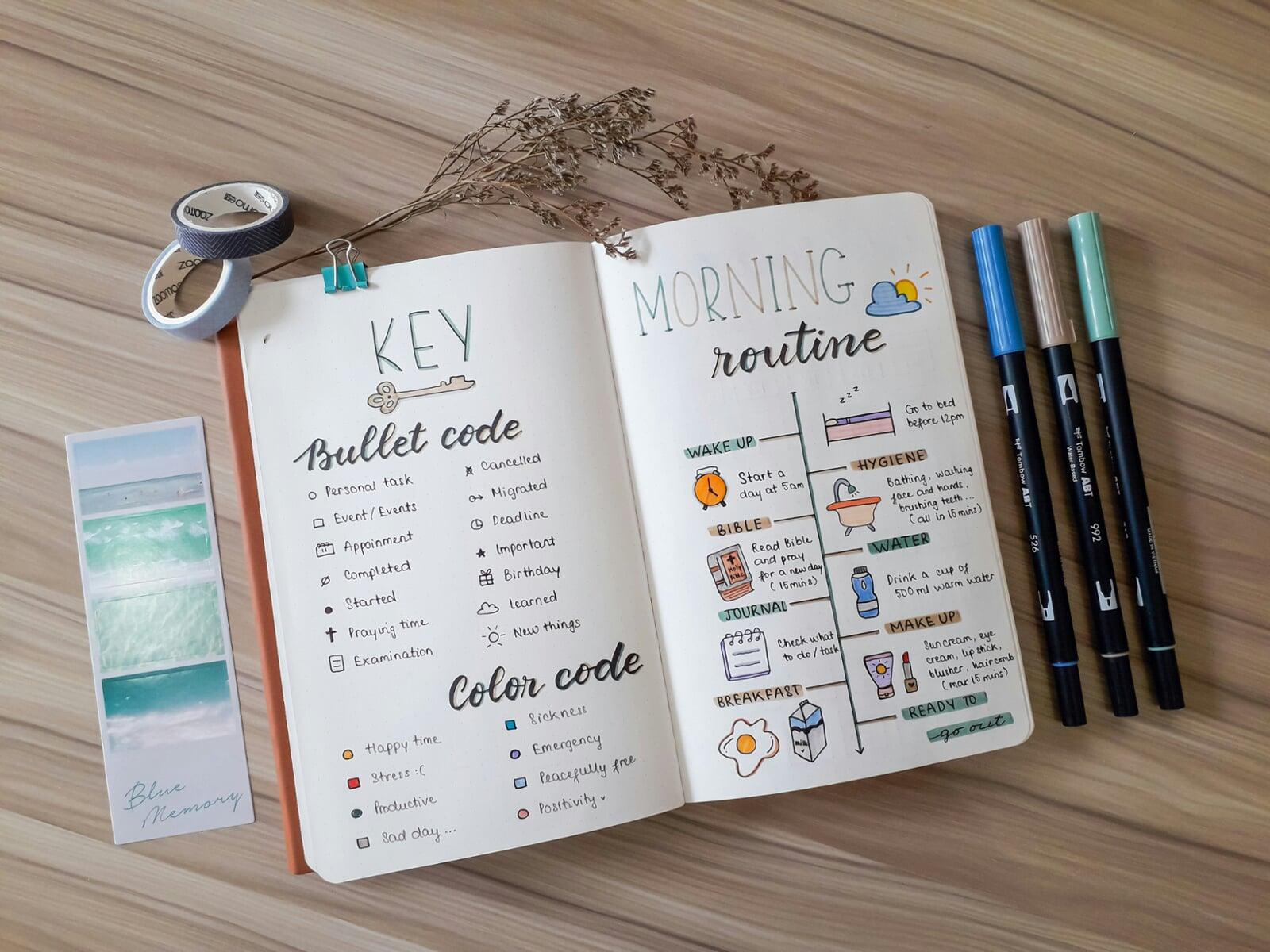
Bullet Journal is a flexible, customizable system for tracking tasks, appointments, symptoms, and personal goals in a structured yet creative format. For cancer survivors, it serves as a powerful tool to manage schedules, monitor health, and foster a sense of control and purpose across all recovery stages. For additional details, read more.
Cognitive Reframing

Cognitive Behavior Therapy (CBT)
Cognitive Behavior Therapy (CBT) is a structured, evidence-based approach that helps cancer survivors identify and modify negative thought patterns and behaviors to improve emotional well-being. By addressing distorted thinking related to cancer and recovery, CBT fosters resilience and coping skills across all stages of recovery. For additional details, read more.

Cognitive Behavior Therapy for Insomnia (CBT-I)
Cognitive Behavioral Therapy for Insomnia (CBT-I) is an evidence-based approach that helps cancer survivors address sleep difficulties by changing thoughts and behaviors that disrupt rest. It promotes healthy sleep patterns, reduces insomnia, and supports the recovery process. For additional details, read more.

Acceptance and Commitment Therapy (ACT)
Acceptance and Commitment Therapy (ACT) is a mindfulness-based approach that helps cancer survivors accept difficult emotions and thoughts while committing to actions aligned with their values. By fostering psychological flexibility, ACT supports emotional well-being and purposeful living across all stages of recovery. For additional details, read more.
Positive Psychology

Cultivate Positive Thinking
Cultivate Positive Thinking involves intentionally focusing on optimistic thoughts to enhance emotional well-being. For cancer survivors, this practice helps counter negative emotions, promotes resilience, and supports recovery by fostering hope and a sense of purpose. For additional details, read more.

Growth Mindset
Growth Mindset is the belief that setbacks can be viewed as opportunities for growth rather than failures. For cancer survivors, adopting a growth mindset fosters adaptability, encourages learning from challenges, and supports emotional and physical recovery. For additional details, read more.
Emotional Intelligence
Emotional Intelligence (EI) is the ability to recognize, understand, and manage your own emotions while empathizing with others. For cancer survivors, emotional intelligence encourages emotional regulation, improves relationships, and supports coping with the complex and highly charged emotional challenges that are a central feature of the cancer recovery process. For additional details, read more.

Role & Identity Transformation
Role and Identity Transformation involves reevaluating and reshaping your sense of self and roles in life after a cancer diagnosis. For cancer survivors, this tool explores how roles and identity evolved together throughout the recovery process. For additional details, read more.
Practical Guides
Assessment

Self-Assessment
Self-Assessment is a reflective practice that involves regularly evaluating your physical, mental, and emotional health to track progress and identify areas for improvement during recovery. This technique empowers individuals to take an active role in their well-being, fostering resilience, and informed decision-making. For additional details, read more.

Energy Audit
Energy Audit is a self-assessment tool with a special focus on how social interactions influence vitality, as well as, daily activities, energy levels, and their impact. For cancer survivors, it fosters awareness of energy patterns, helping to prioritize meaningful connections and manage fatigue across all recovery stages. For additional details, read more.

Perceived Stress
Perceived Stress assessment evaluates how much stress cancer survivors feel, using tools like the Perceived Stress Scale (PSS-10) to measure perceptions of life’s unpredictability and anxiety. This practice supports recovery by identifying emotional challenges and guiding effective coping strategies. For additional details, read more.
Values Assessment
Values Assessment is a reflective practice that involves identifying, prioritizing, and clarifying your core personal values—what truly matters most to you in life. For cancer survivors, this tool can be particularly powerful at various stages of recovery, helping to realign priorities, make informed decisions about treatment and lifestyle, foster a sense of purpose, and enhance emotional resilience amid uncertainty and change. For additional details, read more.
Goal Setting

Strategic Goals
Strategic Goals are long-term objectives that guide cancer survivors toward goals such as: sustained health, meaningful relationships, and fulfilling work. They foster resilience and well-being, helping navigate recovery challenges across all stages. For additional details, read more.

SMART Goals
SMART Goals—Specific, Measurable, Achievable, Relevant, and Time-bound—provide a structured framework for cancer survivors to set clear, actionable objectives during recovery. This approach helps break down broader aspirations into manageable steps, fostering motivation and progress across physical, emotional, and social aspects of survivorship. For additional details, read more.

Daily, Weekly, & Monthly Goals
Daily, Weekly, & Monthly Goals are small, manageable tasks set to support cancer survivors in their recovery journey. These focused actions promote consistency, boost motivation, and address immediate needs across physical, emotional, and social aspects of survivorship. For additional details, read more.
Tracking & Monitoring

Tracking Progress
Tracking Progress involves regularly monitoring and recording milestones in physical, emotional, and social recovery to support cancer survivors at all stages. This practice fosters self-awareness, motivation, and informed decision-making by providing clear insights into health and well-being trends. For additional details, read more.

Tracking Apps
Tracking Apps empowers cancer survivors to monitor symptoms, medications, appointments, and mood across all recovery stages. These tools simplify health management, enhance self-advocacy, and improve communication with healthcare providers, supporting personalized care from diagnosis to survivorship. For additional details, read more.
Personal Productivity

Task List
Task List, often called a to-do list, is a simple yet effective tool for organizing daily responsibilities, medical tasks, and personal goals in a prioritized manner. For cancer survivors, it provides structure and empowerment, helping manage recovery-related activities across all stages while reducing overwhelm and providing plenty of opportunities to celebrate small victories. For additional details, read more.

Calendar
Calendar is a tool to structure your time for scheduling medical appointments, self-care activities, and personal milestones, tailored to your unique needs. It helps manage time effectively, ensuring balance and reducing stress across all stages of recovery. For additional details, read more.

Daily Startup Checklist
Daily Startup Checklist is a concise tool designed to help cancer survivors quickly start each day with focus, prioritizing key actions to support physical, emotional, and mental well-being. It fosters consistency and empowerment by establishing a purposeful morning routine. For additional details, read more.

80/20 Rule
The 80/20 Rule, also known as the Pareto Principle, states that roughly 80% of results come from 20% of efforts. For cancer survivors, this tool helps prioritize high-impact activities in recovery to achieve greater well-being with less strain across all stages of survivorship. For additional details, read more.

Tactical Action Plan
Tactical Action Plan is a short-term, actionable strategy that is specifically aimed at achieving the overarching goal of recovering from cancer. This plan breaks down individual recovery goals into specific tasks and steps. For cancer survivors, it provides a structured way to manage physical health, mental well-being, and daily activities, empowering control and progress that spans the recovery process. For additional details, read more.
Communication
Social Connection

Building a Support Team
Building a Support Team involves identifying and engaging a network of trusted individuals—family, friends, professionals, and peers—to provide emotional, practical, and informational assistance. For cancer survivors, this tool creates a reliable circle of support to navigate recovery challenges and celebrate progress. For additional details, read more.