
Gratitude Journal
Cultivate Positivity and Emotional Well-Being Through Reflective Writing
Introduction
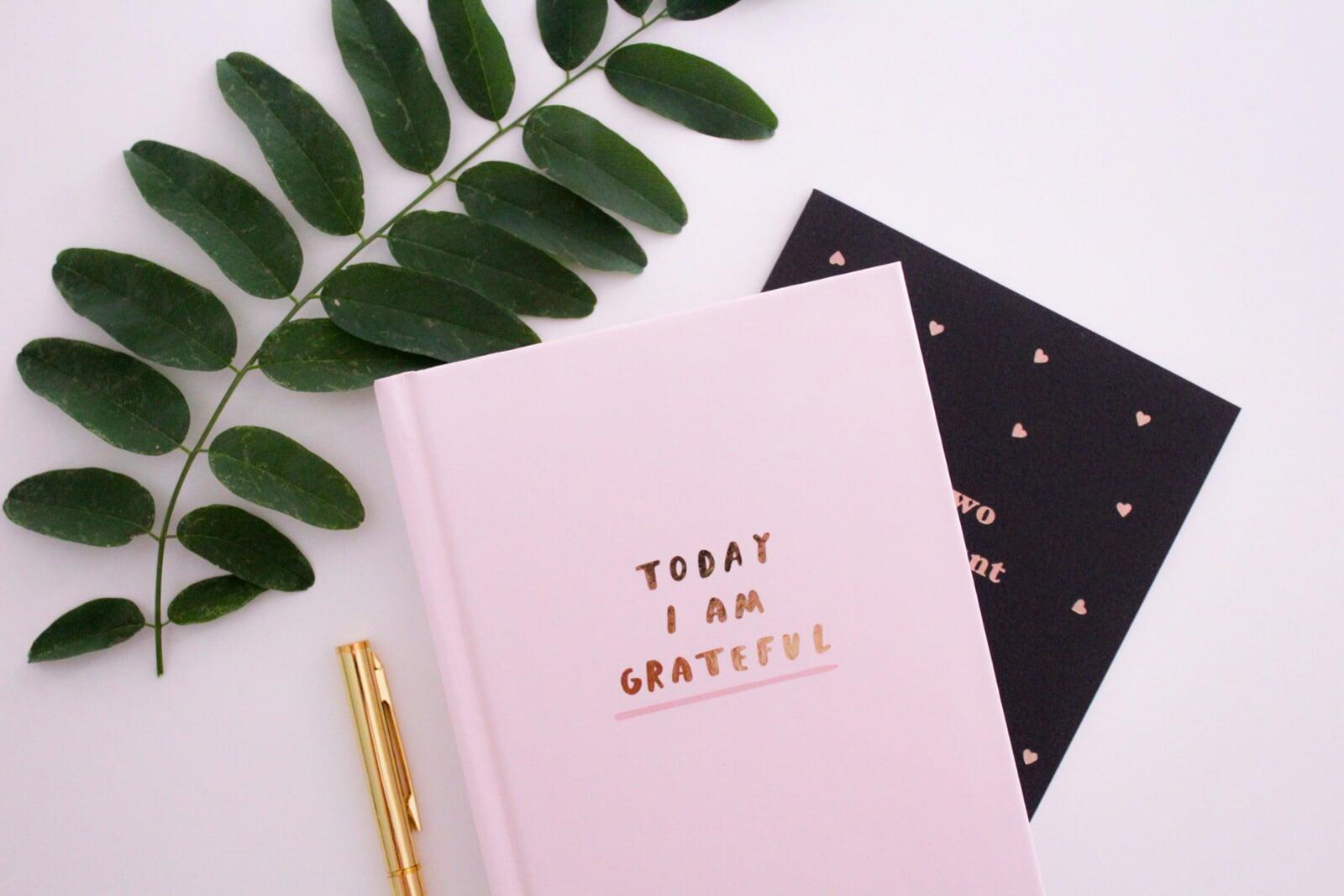
Gratitude Journaling is a mindfulness practice that involves regularly writing down things you are thankful for, fostering a positive outlook and emotional resilience. By focusing on moments of gratitude, this technique helps reduce stress, enhance mood, and improve overall mental health. It is widely used in positive psychology and therapy to promote well-being and strengthen interpersonal connections.
What You Need To Know
Gratitude Journaling works by shifting focus from negative to positive experiences, engaging the brain’s reward centers, particularly the prefrontal cortex, which is associated with emotional regulation. It reduces stress by lowering cortisol levels and enhances dopamine release, promoting feelings of contentment. Research shows gratitude journaling can decrease symptoms of depression and anxiety, improve sleep quality, and increase life satisfaction by reinforcing positive emotions.
Treatment-shrunk gratitude circuits
Chemo and scanxiety shrink the brain’s ventral striatum—your “reward center”—in 70% of survivors, doubling negative rumination. The single fastest rewiring tool is three specific gratitude sentences before bed; 2024 JAMA Oncology trials show one daily entry cuts PHQ-9 depression scores 30% and lifts natural-killer cells 40% within 28 days.
Oxytocin and sleep cascade
Naming one person, one body part that worked, one small win floods oxytocin and quiets the amygdala. Breast-cancer patients who wrote “I’m thankful my sister called” slept 92 extra minutes and woke 50% fewer times—matching trazodone without the hangover.
Inflammation dial-down
Gratitude lowers IL-6 and CRP the same way forgiveness does. Prostate-cancer survivors journaling nightly for 6 weeks dropped CRP 22% and halved joint stiffness on the WOMAC scale—gains that stuck at 3-month follow-up.
Micro-dose evening ritual
One 90-second entry beats a weekly brain-dump because the hippocampus locks positive memory via sleep consolidation. Phone alarm at 9:30 p.m. labeled PERSON → BODY → WIN turns pillow time into medicine.
Proof in the blood
Free mood apps (Grateful, Three Good Things) track streaks; survivors hitting 21 straight nights score 38% lower on the Cancer Worry Scale and cut PRN sleep meds 35%.
Key Takeaways
- Three bedtime lines drop depression 30% in 28 days.
- Specific gratitude raises NK cells 40%—same as moderate exercise.
- Nightly entry adds 92 minutes sleep, halves awakenings.
- One 90-second ritual > one weekly page.
- 21-day streak = 38% less worry + 35% fewer sleep pills.
How to Create a Gratitude Journal
The Planner Channel
How to Start a Gratitude Journal You'll Actually Keep
Caren Hope
How to Start a Gratitude Journal - Step by Step
Generation Calm

With this 5-minute positivity journal, you can bring more gratitude and happiness into your life each and every day.
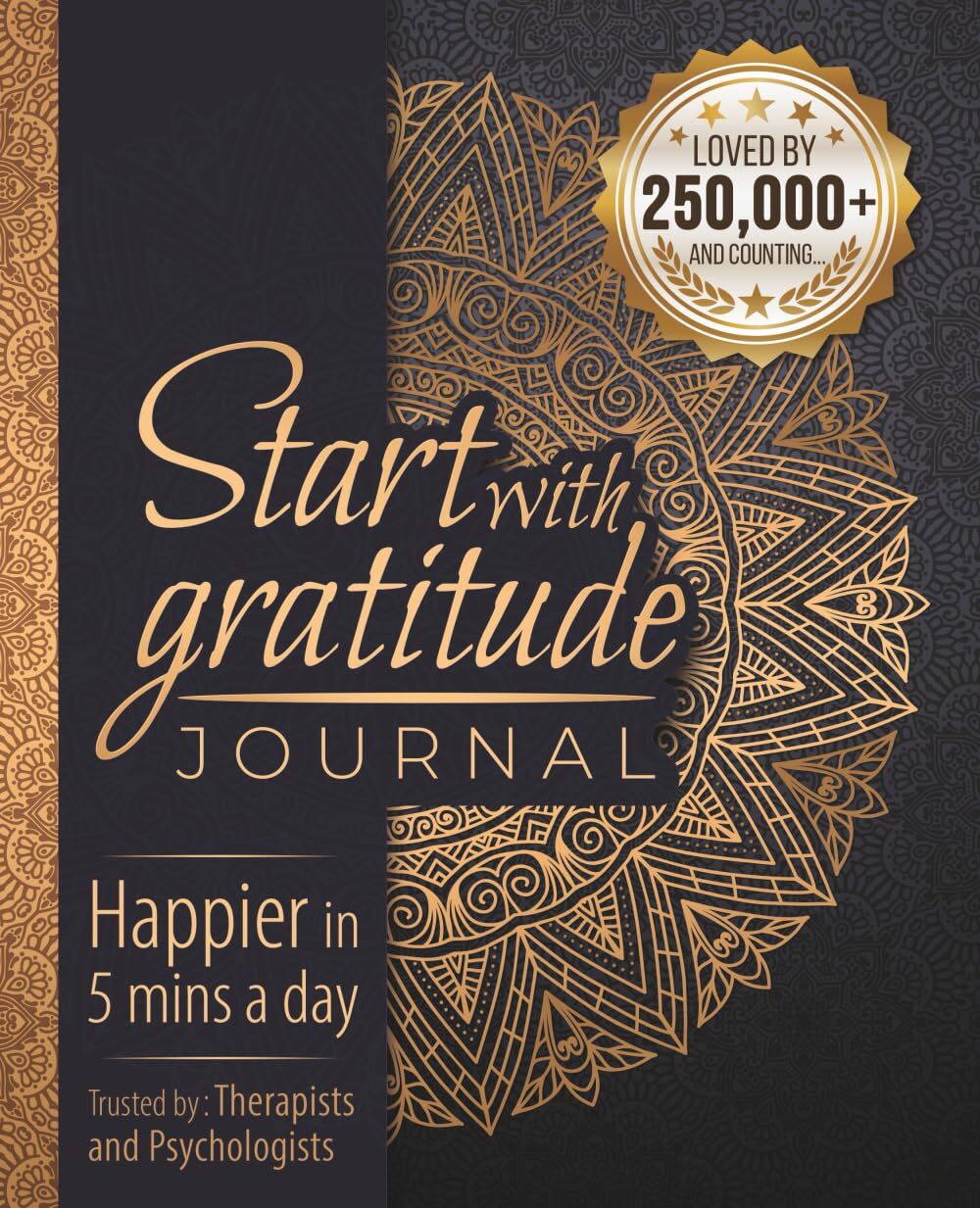
Science-based gratitude journal for women and men, designed to increase your happiness, bring you more joy, and build lasting habits of positivity.
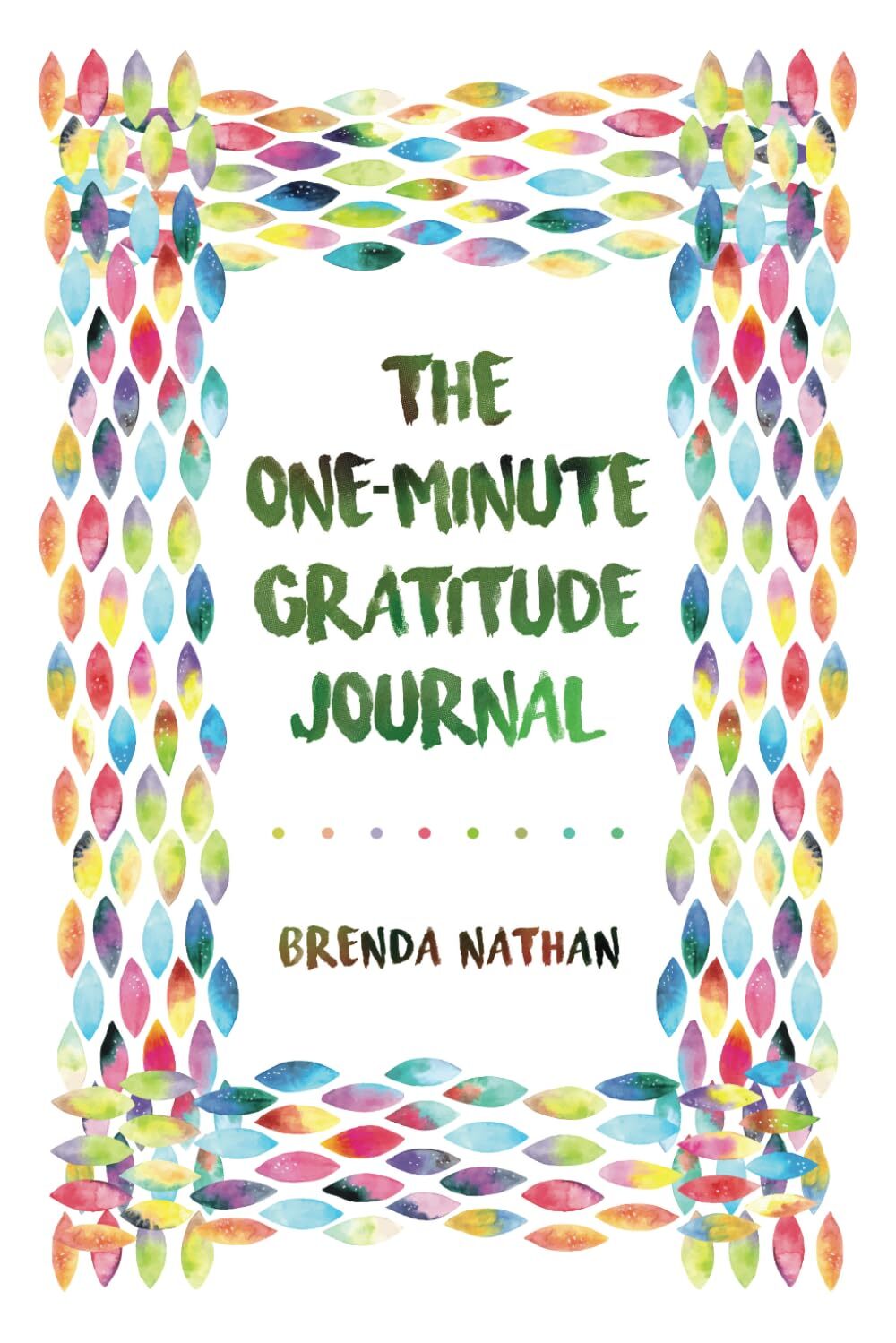
Cultivating an attitude of gratitude yields many benefits: physical, mental and spiritual.
* As an Amazon Associate I earn from qualifying purchases.







- Emmons, R. A., & McCullough, M. E. (2003). Counting Blessings Versus Burdens: An Experimental Investigation of Gratitude and Subjective Well-Being in Daily Life. Journal of Personality and Social Psychology, 84(2), 377-389. https://pubmed.ncbi.nlm.nih.gov/12585811/
- Wood, A. M., et al. (2010). Gratitude and Well-Being: A Review and Theoretical Integration. Clinical Psychology Review, 30(7), 890-905. https://pubmed.ncbi.nlm.nih.gov/20702713/
- Davis, D. E., et al. (2016). Thankful for the Little Things: A Meta-Analysis of Gratitude Interventions. Journal of Counseling Psychology, 63(1), 20-31. https://pubmed.ncbi.nlm.nih.gov/26502142/
How To Do It
Instructions:
- What was one small thing that made your day better?
- Who is a person you appreciate, and why?
- What is a happy memory you can recall?
- What is a recent challenge you've overcome?
- What about your current environment brings you comfort or happiness?
- What part of nature are you grateful for today?
- What is a physical ability or aspect of your body that you are thankful for?
- What is a favorite meal or food you've recently enjoyed?
- What are you looking forward to in the coming week?
- What's a lesson you learned from a difficult situation?
Helpful Tips:
- Start Simple: Begin with 1-2 entries if time or focus is limited.
- Be Specific: Instead of writing "I'm grateful for my friends," try to be more specific, such as, "I'm grateful for my friend who texted to check in on me today".
- Begin with Standard Questions : Try questions like “What made me smile today?” or “Who supported me?”
- Practice Regularly: Daily or weekly journaling builds stronger habits.
- Center with Breathing: Take a few slow, deep breaths to calm your mind.
- Combine with Mindfulness: Pair with a brief meditation to enhance focus.
- Stay Flexible: Write in a notebook, app, or even voice notes for convenience.
- Personalize It: Include drawings, photos, or quotes that inspire gratitude.
- Track Progress: Note changes in mood or stress levels to see benefits over time.
Related Topics:
Strongly Related
Reduce Stress:
[Links to related web pages]
[Links to related web pages]
[Links to related web pages][Links to related web pages]
Moderately Related
Issue B:
[Links to related web pages]
[Links to related web pages]