
Why the 'victim' label finds us, what it looks like from the inside, and how to leave it behind for good.
When people asked me what chemotherapy was like, I would tell them, "I'm just along for the ride."
At the time, I didn't think much of it — it was simply how I felt. But looking back, I can see it for what it was: a canary in the coal mine. Without realizing it, I was becoming a 'victim.'

It happened in the blink of an eye, and I never saw it coming. Before I knew it, I had been swept into passive mode — caught in the flood and carried downstream. During my cancer treatment, I was far more of an observer than a fighter.
Introduction
Cancer changes everything — your body, your routines, your relationships, and the way the world sees you. One of the subtlest yet most profound shifts is how quickly the 'victim' mindset can take hold.

It often begins before you even realize it, because the cancer journey is frequently mapped out by others — doctors, institutions, and well-meaning loved ones. It may arrive in the language a doctor uses, in the way a friend looks at you with pity, or in a quiet internal voice that whispers you are no longer in control of your own life.
In this post, we explore why the victim label gets attached in the first place, what it actually looks and feels like from the inside, and — most importantly — how we can move beyond it for good. The turning point is both simple and powerful: victimhood begins to dissolve the moment we stop seeing ourselves as a problem others are trying to solve and start seeing ourselves as someone actively collaborating in the solution.
Why the 'Victim' Label Happens
The victim label rarely originates with the individual, and it seldom arrives with malicious intent. Most often, it is assigned by people and systems that genuinely want to help — and that is precisely what makes it so difficult to see and resist.
Society frequently views cancer as a tragedy and the patient as a passive recipient of care. Medical institutions naturally treat you as a "medical case" — a set of symptoms to be managed, a patient in need of fixing. This institutional framing can quietly strip away your individuality, casting you as someone who is simply a victim of circumstance by default.
The label arrives early and from every direction. Media stories frame cancer as a relentless enemy that strikes innocent victims. Hospitals and insurance companies position patients in passive roles. Fundraisers and awareness campaigns rely on images of suffering to open wallets and hearts. Friends and family, desperate to help, unconsciously reinforce the role by responding with pity rather than partnership. Over time, we often internalize the label without noticing — partly because being the one who "needs help" can feel, at least for a while, like the path of least resistance.
Recognizing this dynamic is crucial. Once we understand that the victim label is largely being assigned to us by external forces — rather than something we consciously chose — we can begin to see that the helplessness we feel is not entirely our own doing. That awareness alone is the beginning of regaining our agency.
What Victimhood Looks Like from the Inside
Victimhood rarely announces itself. Instead, it shows up in the small, quiet patterns of our daily thinking and behavior — which is precisely why it can be so difficult to recognize.
One of the clearest signs is a persistent sense of helplessness. This can surface as frustration, resentment, or resignation — and often as the "Why me?" loop that keeps our focus fixed on unfairness rather than forward motion. Life begins to feel like something that is happening to us rather than something we are shaping. Decisions that once felt natural now feel overwhelming or entirely out of our hands.

This passivity shows up in practical ways too. We may find ourselves handing over every decision with a shrug — "Whatever the doctor says" — and feeling powerless when plans change. We wait for the next scan, the next medication, the next person to come along and save us, rather than asking what we ourselves can do today.
We may also notice that conversations about the future feel uncomfortable. Plans feel presumptuous. Hope begins to feel reckless. And when we tell our story, we tell it only through the lens of loss — never through the lens of the strength, insight, or little victories that have also appeared along the way.
Recognizing these patterns is not an invitation for self-criticism. It is an act of awareness — a chance to see the 'victim' label for what it is: a signal worth paying attention to, not an identity worth keeping.
How to Move Beyond Victimhood
Shifting away from victimhood is not about denying what you have been through. It is about redefining your role in what comes next. This shift does not require a dramatic transformation or superhuman effort. It happens at ordinary inflection points — moments we can learn to recognize and, with practice, deliberately create.
1. Become an active participant. The most fundamental pivot is moving from passive patient to active collaborator. Begin to see yourself as the lead partner in your own recovery, not a passenger waiting to be told what comes next.
2. Reframe your relationship with your medical team. Instead of arriving at appointments as a recipient of information, show up as an engaged partner. Ask questions. Push back when something does not feel right. Request explanations in plain language. These are not acts of defiance — they are acts of partnership that signal, to your providers and to yourself, that you are fully invested in your own care.
3. Own your decisions. Taking ownership does not mean rejecting medical advice — it means making informed choices. Engaged patients who participate actively in the decision-making process are not only respected by their doctors; they tend to feel stronger and more capable as a result.
4. Share your experience. When survivors begin contributing their story, something remarkable shifts. The narrative moves from "this happened to me" to "this is something positive I can share." The cancer experience becomes not only a wound that's healing but a source of wisdom and purpose. This is not toxic positivity — it is the reclamation of meaning.
5. Build and contribute to community. The moment you begin giving back — through a support group, by walking alongside another patient, or simply by sharing what you have learned — you reposition yourself from someone being helped to someone doing the helping. That single shift in your role can be quietly transformative.
6. Adopt the solution mindset. Progress accelerates when we intentionally begin thinking of ourselves as part of the solution. Victimhood begins to shrink precisely at the moment we stop seeing ourselves as subjects of a system designed by others to manage our suffering — and start seeing ourselves as active agents in our own recovery.
Conclusion
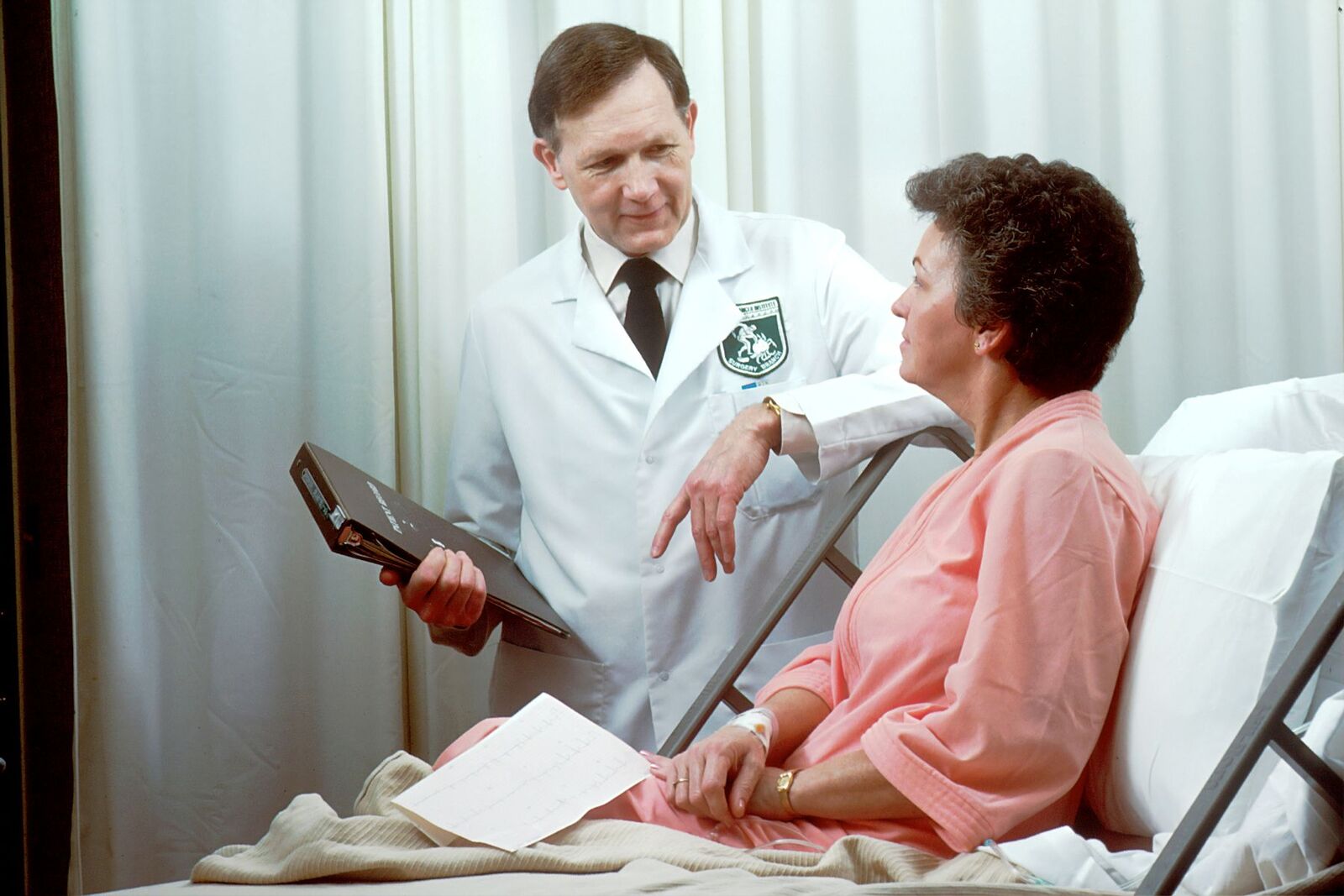
You were never meant to stay a victim.
The label was handed to you by institutions and people who often mean well but who tend to see cancer patients through a fixed and generic lens.
Moving beyond victimhood does not require a dramatic turning point. It begins with awareness, and it solidifies the moment we stop waiting to be healed and start actively participating in our healing.
At its core, the shift is this: we move from being part of a problem others are trying to solve to becoming part of the solution itself. That change does not erase what you have been through — but it fundamentally redefines what comes next.
Final Thoughts
After my chemotherapy ended, I drifted in victimhood for a while. Once I was outside the structured environment of the cancer clinic, it slowly dawned on me that someone needed to take charge — and there was no one else. Eventually, I knew it was going to have to be me.
It wasn't until about eighteen months after treatment, frustrated by the slow pace of my recovery, that I finally decided I was done being "just along for the ride." That was my inflection point. From that moment on, I took complete ownership of every aspect of my health. And under the weight of that much self-advocacy, my sense of victimhood simply vanished.