
Fear of recurrence is a common experience that can be deeply unsettling and hard to entirely move past.
As humans, our whole lives are surrounded by uncertainty and unknowns. But for some reason our fear of recurrence feels different.

I think it feels different because cancer may have changed how our brains interpret safety and danger. So, let’s take a closer look at the factors that might have played a role in reshaping how our brains interpret this kind of threat.
- Traumatic Event: Typical there’s an initial shock from being told that you have cancer. So much so that cancer can function as a traumatic event. Plus the threat from cancer can be very significant. Fear of recurrence often reflects a trauma-based response rather than a logical probability.
- Remembered Threat: One of factors that influences our fear of recurrence is that we are not imagining danger. It’s a remembered threat. So, our brains are telling us: “It’s already happened once; it can happen again.”
- Loss of Control: Before cancer we may have thought that our health often felt predictable. Afterwards, uncertainty became much more apparent in our lives.

I think we first need to gain an understanding that below the surface of awareness our minds have been quietly building added layers of protection to address this new threat we call ‘cancer’. It’s only natural that our minds are on high alert and are hypervigilant at detecting any hint of our cancer returning. Unfortunately, our parasympathetic system (the system that controls “fight or flight” response) is an automated system and becomes difficult to regulate once it’s been triggered by perceived threats. The key word here is “perceived”.
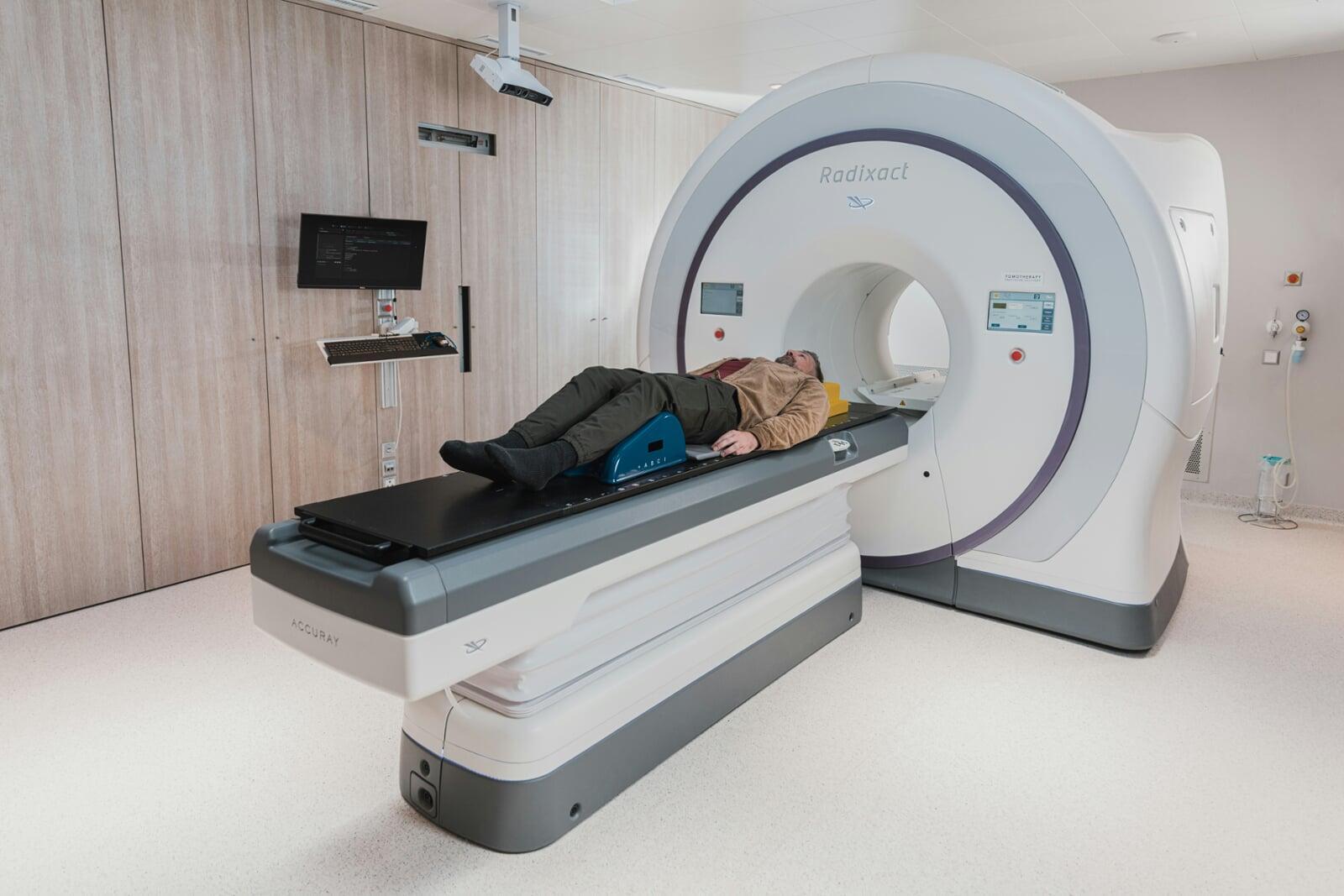
- Follow-up scans; also known as ‘scanxiety’.
- Anniversaries, like when you were diagnosed or when your treatment ended
- Routine check-ups
- Labs (i.e. blood draws)
- Funerals or finding out about someone who recently died of cancer
- Stories about cancer
- TV commercials about cancer drugs
The important thing is to find your triggers and then prepare yourself to effectively manage them in the best ways that you can. It takes effort and practice but once you’re aware of the trigger itself, then you can manage how you want to perceive that particular trigger at that point in time and focus on processing your emotions to keep your anxiety under control.
Normalizing Your Fear
- Ask your oncologist, what is your 5-year survival rate?
- Also directly ask your oncologist, what is your risk for recurrence?
- Ask your oncologist, if there are any indicators or abnormalities that they will be looking for in the future in regard to recurrence?
- Ask them, if you should be looking for any red-flag symptoms that would warrant a call? If so, when would you call and how do you contact them?

You can drastically reduce the pitfalls of catastrophic thinking by simply reducing the number of interpretations that you’re making on your own. Don't set yourself up for failure. Your first option should be to proactively seek out accurate information from your oncologist; they’re the best person to give it to you. Put simply, being clear and direct with your doctors helps you avoid misunderstanding the facts and spares you extra worry.

I’ve been diagnosed with cancer three times. All three times were quite different experiences. My reactions to getting this bad news was also different each time. No matter how much I had worried ahead of time about my cancer returning, when it actually happened my worrying provided me with absolutely no benefits. My advice: If you’re fortunate enough to be cancer-free today, live your life to its fullest and don’t let your days get tainted by some future boogie man that may never appear. Tomorrow will always carry unknowns, but we can still choose to turn toward the light of being present in each day—and that choice becomes its own kind of freedom.