How to create an activity program that balances your physical, cognitive, social, and expressive needs.
Cancer has a way of turning our lives upside down; often in ways we never anticipated. Because each of us experiences that disruption differently, one of the big challenges that we face is how to create a recovery process that helps us piece our lives back together in a way that actually works for us?
I think therapeutic activities can play a pivotal role in this process because they actively engage us in our own recovery. Rather than being passive recipients of care, as survivors each one of us can individually choose activities to restore strength, sharpen thinking, reconnect socially, and express emotions. Over time, these activities help transform our recovery from something that simply happens into something that is intentionally shaped.
- Provide Structure: During recovery we may feel that we are living through times that are more uncertain or chaotic.
- Empowerment: Completing tasks can restore a sense of agency and control.
- Positive Progress: Create opportunities for positive experiences and small wins.
- Reduce Fatigue: Counterintuitively, staying active (physically and mentally) often helps combat the persistent cancer “fatigue" better than rest alone.
- Improve Mental Clarity: Many survivors experience "chemo brain." Activities that challenge the mind help restore focus and memory.

- Balance exercises
- Stretching
- Walking (outdoor or treadmill)
- Gentle strength training or resistance bands
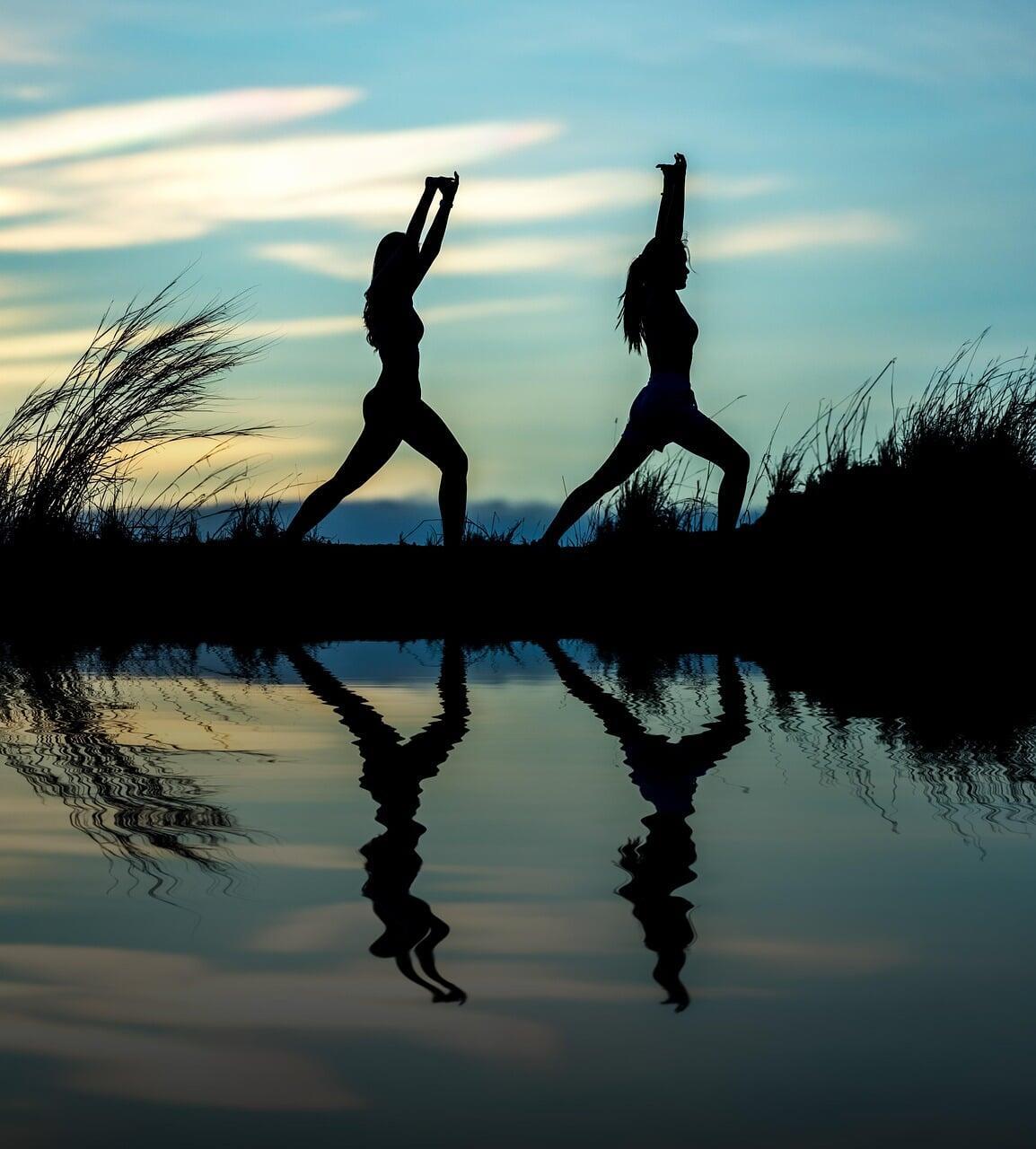
- Yoga or tai chi
- Swimming or water aerobics
- Light Biking (outdoor or stationary bike)
- Gardening
- Dancing
- Fitness exercises
- Reading
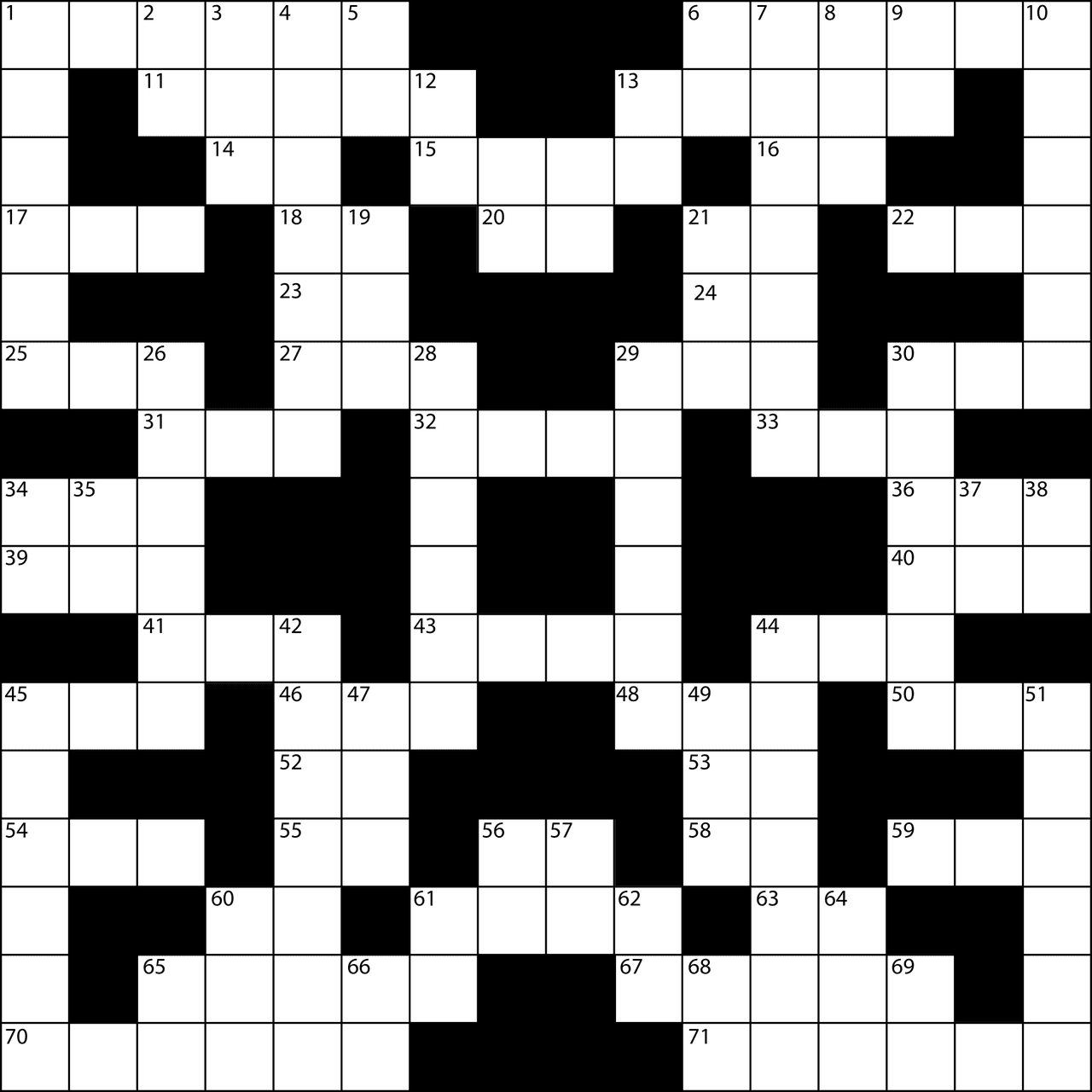
- Puzzles (crosswords, etc.)
- Card games
- Board games
- Brain-training apps
- Writing (journaling, etc.)
- Playing a musical instrument
- Planning, goals, & daily schedule
- Conversations with friends and family
- Coffee with friends
- Lunch with friends
- Walks with friends
- Support groups (in-person or online)
- Volunteer activities
- Group exercise classes
- Faith-based groups
- Community organizations
- Hobby groups
- Pets
- Social media
- Watching movies together
- Painting
- Creative art
- Expressive writing & journaling
- Storytelling
- Music (listening, playing, or singing)
- Photography
- Guided imagery or visualization
- Cooking & baking
- Crafting or DIY projects
- Start small. Don’t overdo it at the beginning, remember cancer recovery is more like a marathon than a sprint.
- Stack activities gradually. This helps to create health habits.
- Track responses, not just completion.
- Adapt without guilt. Expect to adjust based on feedback from your body and mind.
- Reassess and refine regularly. Recovery evolves. Periodically revisit goals and activities to stay aligned with current needs and future hopes.