
Why the counterintuitive strategy of surrendering early and fighting later may be the most effective way to manage chemo-induced fatigue.
I may be able to laugh about it now, but my sense of humor was nowhere to be found when I was struggling with my chemo-induced fatigue. I remember early on ‘fighting’ my fatigue and losing this battle badly. I remember how hard it was to accept that kind of defeat and also how demoralizing and depressing it was to ‘surrender’ to my fatigue.

Of course, I know now that ‘fighting’ early didn’t work. So, what’s the most effective strategy to deal with our fatigue? Do we use our ‘force of will’ to keep fighting or do we simply surrender to it? As with many cancer treatment side effects, the answer may be more nuanced and complex than it seems on the surface. In fact, I’d go as far as to say that “should we fight or surrender” is not even the right question to ask ourselves. Recovering from fatigue isn’t about choosing to either fight or surrender – it's about both. In other words, it’s about knowing when to do each of them.
- Prolongs fatigue - Prematurely pushing too hard can prolong our fatigue by triggering crashes, increasing inflammation, and delaying recovery timelines.
- Produces negative emotions - It can also risk self-judgment in the form of harsh self-talk, unhealthy comparisons to yourself before cancer, and guilt when we fail.
- Fatigue is a signal - We may begin to misinterpret fatigue as the enemy. Fatigue is not an obstacle; it’s a signal from our body about healing. Blindly ignoring these important signals can block essential feedback.
- Risk of deconditioning – Too much rest for too long can lead to muscle loss and reduced cardiovascular capacity. Excessive resting may lower energy and make fatigue symptoms worse.
- Loss of confidence in your body – Prolonged surrender can foster the belief that your body remains too frail to do more, even when it's actually ready to start rebuilding.
- Identity shrinkage – As your life narrows, roles and purpose can erode to the point that your surrender stance becomes your 'new normal'.
- Rest does not resolve fatigue – Fatigue is not like typical tiredness, and it will not go away with rest alone.
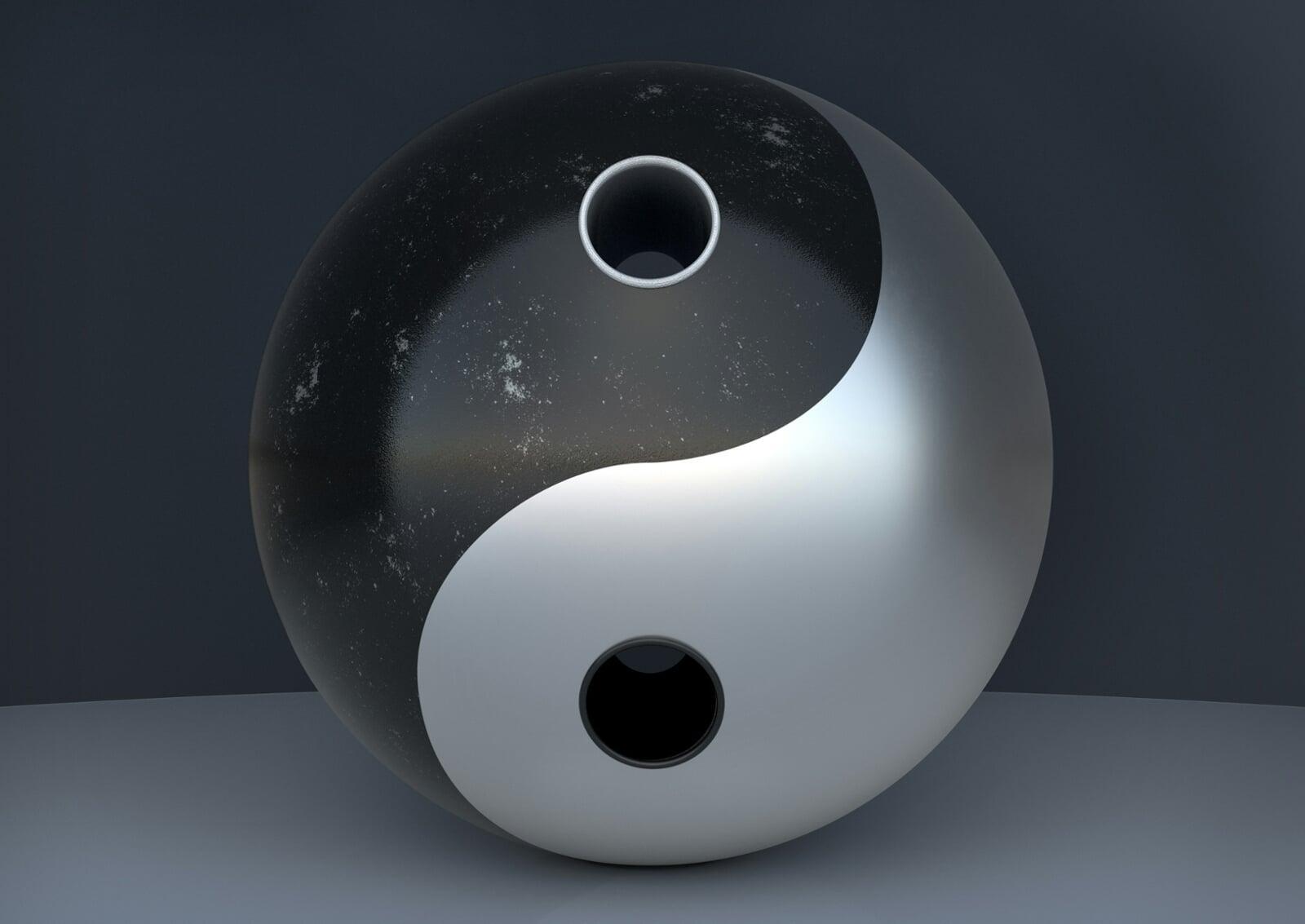
- Prevents cycling - Pushing through fatigue can lead to boom-and-bust cycles. This can drain your energy and may cause severe crashes.
- Physiological healing - After chemo our bodies need to heal. Rest actively supports physiological recovery.
- Reduces stress – Fighting yourself over fatigue at the start of recovery is a losing battle. Save your emotional energy for activities that can produce tangible benefits.
- Rebuild physical capacity – It’s "use it or loss it" time. Building strength and cardiovascular conditioning are not optional; these are requirements. This will take discipline, effort, and fight.
- Empowerment – Regaining confidence and trust in your body can add a powerful emotional boost to your recovery. Also by playing an active role in your own recovery can make you feel like you're back in charge of your life.
- Improves chemo brain – Physical activity helps repair cognitive function.
- Boosts immune system – Long-term activity reduces systemic inflammation, which is a primary biological driver of chronic fatigue.
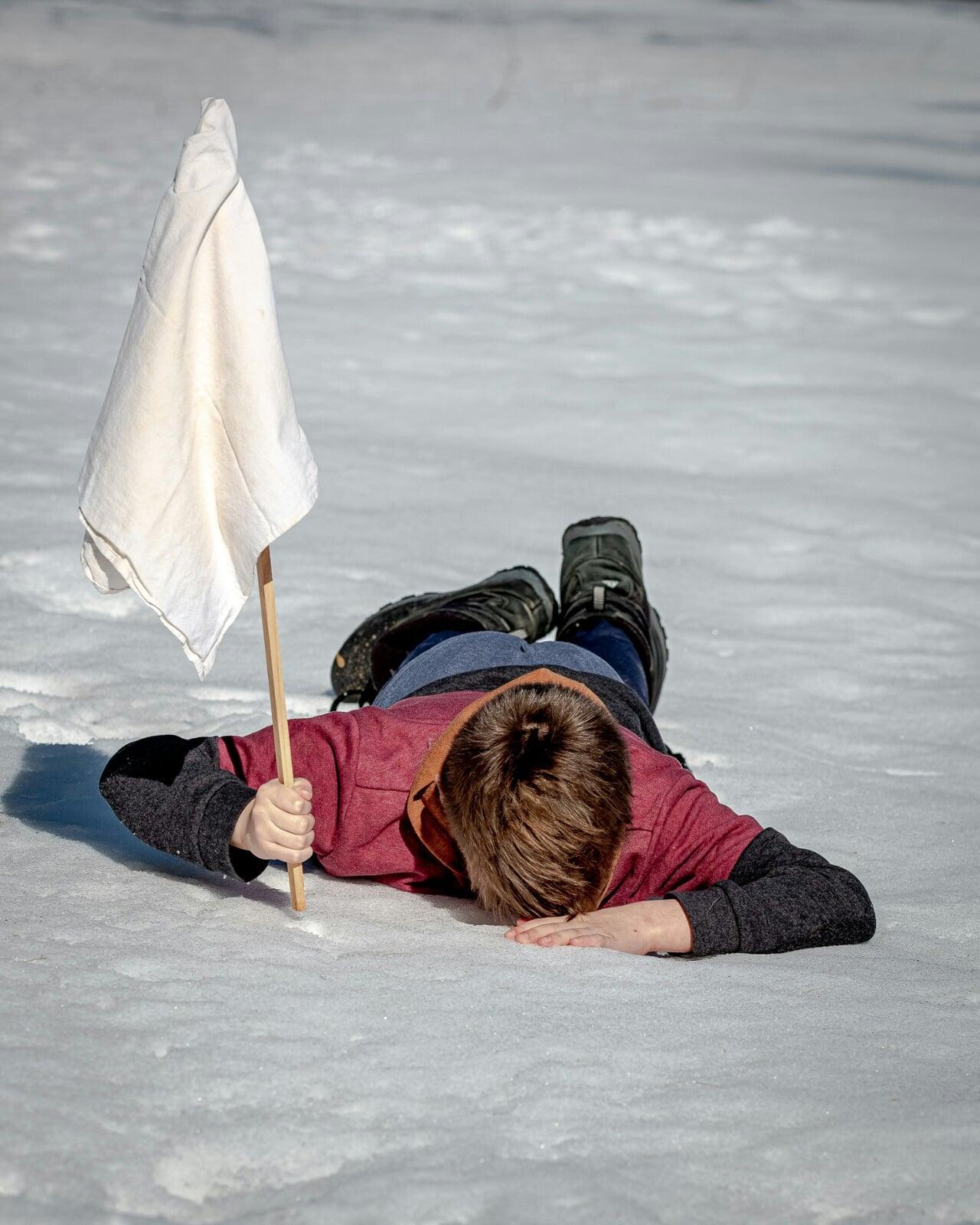
Chemo-induced fatigue isn’t a test of character — it’s a physiological reality that requires strategy, patience, and courage. In the end, recovering from chemo-induced fatigue is about wisdom.
Then, when the time feels right—when your body starts whispering “I’m ready for more” rather than constantly saying “I can’t find the energy”—you step into the fight with purpose, discipline, and compassion. That’s when movement becomes medicine, strength returns, and you reclaim not just your energy but your sense of who you are.
Trust your body’s signals, honor the timing, and know that the wisest strategy is the one that lets you rest deeply today so you can rise stronger tomorrow. Trust that rhythm. Trust yourself. You’ve already walked through fire. Now you get to walk back into light—with newfound wisdom and a second lease on life..

Releasing all that emotional energy turned out to be the beginning of my real battle against fatigue, not the end. At the time, I was ready to give up. But instead of that, I found the courage to temporarily surrender to my fatigue. Surrendering gave me a chance to conserve my energy. It gave me time to decide how and more importantly when I would fight back. My next fight with fatigue would be on my terms; at a time of my choosing. It’s been a long slow dance but after 5 years my fatigue all but gone. I won. And if I can do it, you can do it!