
Structure and flexibility — the two things that can help you regain control of your life.
For most people, "when the walls come tumbling down" can seem like an abstract, far-away concept. But for those of us who have received a cancer diagnosis, it's quite common to literally watch the structure of our lives come apart — in a way that feels very much like the walls have been torn down around us.
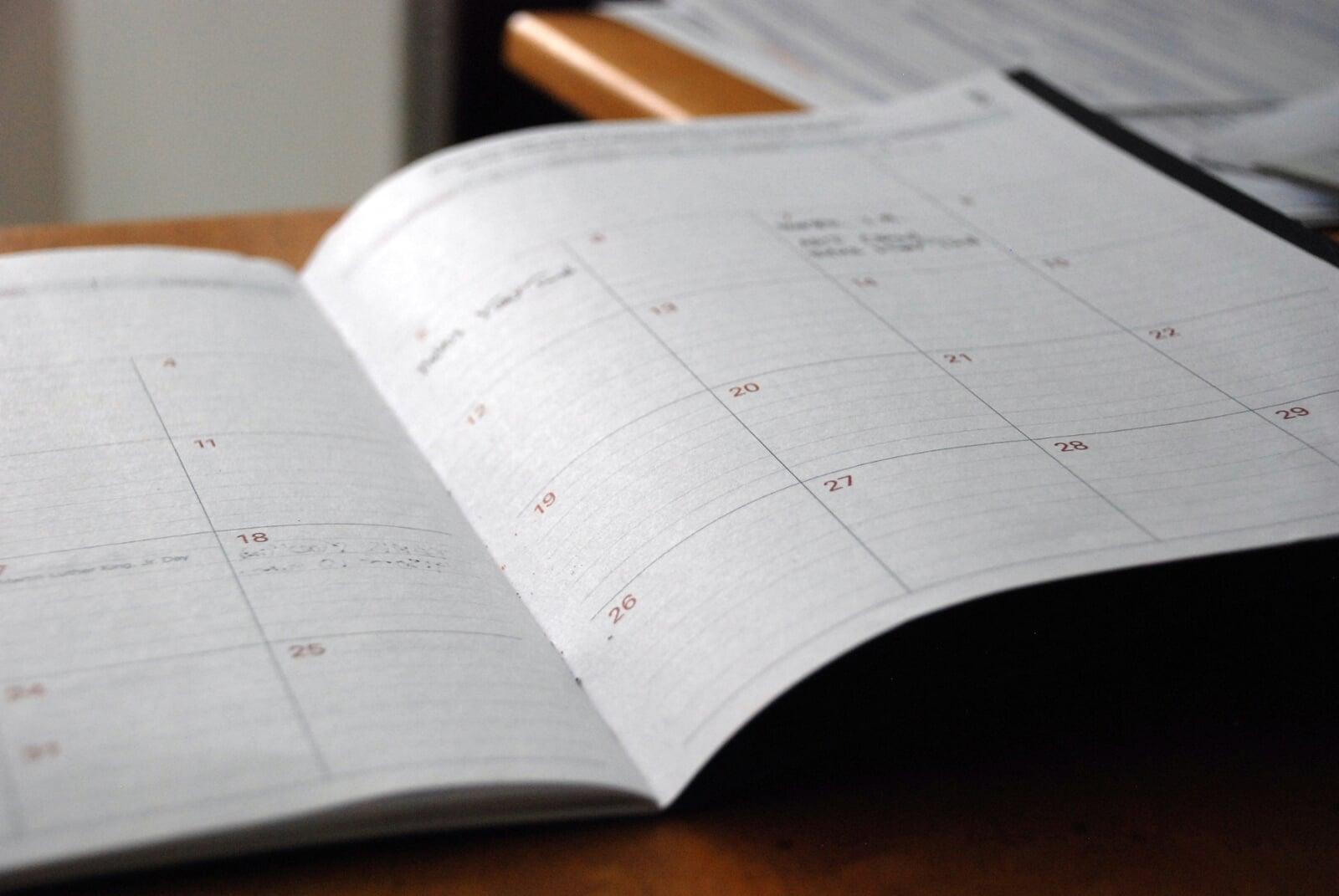
In today's technology-driven society, structure in our daily lives is largely automatic. Calendars, checklists, to-do lists, reminders, and notifications all play a role in keeping our lives moving and on track.
In my case, I had always considered myself one of those super-organized people. But after cancer, I felt like my organizational habits had become a "damned if you do, damned if you don't" kind of trap. These tools had locked me into a daily cycle that worked great some days but utterly failed on others. With so many new challenges coming at me from every direction, I assumed my reliable system of organizing would be an asset — the least of my worries.
But inexplicably, it wasn’t working for me anymore.
What was I going to do now?Just give up on a system that had served me well for decades? At the time, I didn’t seem to have any alternatives either.
One thing was clear: this issue was making me increasingly frustrated.
Introduction
When you are hit with a cancer diagnosis, your world gets turned upside down, leaving you to navigate a maze of doctors, emotions, and paperwork. For new patients, organizing and managing all of this on the fly can quickly turn into chaos. It's during this critical time that many people discover the systems they once relied upon no longer work the way they used to.

In the tumultuous world of cancer recovery, getting organized isn't just about time management and productivity. It can be the difference between feeling in control of your life and feeling like your life is spiraling out of control.
In this post, we'll look at why cancer makes staying organized so uniquely difficult, what that struggle actually looks like in everyday life, and how to build a flexible system that provides structure without adding more stress.
The Real Reasons Getting Organized Is So Hard During Cancer
Developing an effective organizational system can be surprisingly challenging for cancer patients and survivors for several reasons.
Physical fatigue. Fatigue can make even simple tasks feel exhausting. When getting out of bed requires monumental effort, organizing a medical binder or planning a week of meals quickly falls to the bottom of the priority list.
Cognitive challenges. Cancer treatment often affects cognitive functioning. Many patients experience memory lapses, difficulty concentrating, or chemo brain, which can make it harder to keep track of appointments, paperwork, medications, and daily responsibilities. In other words, any loss of executive function will directly affect a person's ability to organize and manage their life.
Sheer volume of new information. The amount of information that comes with a cancer diagnosis can become staggering. Medical records, treatment plans, insurance documents, test results, prescriptions, and ongoing communication with multiple healthcare providers create a constant stream of new information — all of it requiring attention and management.
Emotional overwhelm. Emotional stress takes a serious toll on organization. Anxiety, uncertainty, fear, and frustration consume mental energy. When emotional resources are stretched thin, staying organized may feel far less important than simply getting through the day.
Traditional systems assume consistency. Cancer doesn't follow a schedule. Many survivors struggle because their existing methods were never designed for environments with this level of unpredictability. Even the best organizational system will break down without the flexibility to accommodate fatigue, brain fog, sudden side effects, and fluctuating energy levels.
What This Looks Like in Daily Life
Problems with organizational systems can appear in many ways throughout the cancer journey. It can be helpful to recognize what this struggle actually looks like — because many survivors never connect the dots between their cancer experience and their difficulty staying on top of things.
You might find yourself missing or nearly missing medical appointments, even important ones. You might forget whether you took a medication, then take it twice — or not at all. Paperwork piles up. Bills go unanswered. Emails sit unopened. A follow-up call you meant to make three weeks ago is still sitting on a mental to-do list that never quite gets done.
At home, tasks that once felt routine can suddenly seem difficult to prioritize or complete. Dishes. Laundry. Grocery shopping. The basics of keeping a household running can feel like too much to manage on top of everything else.
Emotionally, the fallout from disorganization compounds the difficulty. Missed details create anxiety. The sense of falling behind feeds shame and self-doubt. And there's that constant, nagging feeling of "I know I'm forgetting something important" — the kind that keeps your stress levels permanently elevated. Because cancer already strips away so much of a person's sense of control, the added chaos of disorganization can deepen the feeling of helplessness.
It's important to recognize these signs not as personal failures, but as signals. And they are not the kind of signals telling you to increase your effort or willpower. They are simply illuminating that you may need a better system to help you stay organized.
How to Build an Effective, Flexible Organizing System
The most effective organizational systems are not necessarily the most complicated. They are the ones that are simple and consistent — but still adaptable to cancer's unpredictability. The goal is a forgiving system: something that keeps you functional on good days and doesn't collapse entirely on hard ones.
1. Start simple and small
Resist the urge to overhaul everything at once. Choose one area — medications, appointments, or daily tasks — and build a workable routine there before expanding. Once that one area is working, build out your system step by step. Small wins create momentum and confidence.
2. Centralize everything
Choose one main "command center" — a single notebook, a digital app, or a basic planner. Avoid multiple scattered notes or apps whenever possible. When everything lives in one place, things are much less likely to fall through the cracks.
3. Use a single central calendar
Whether digital or paper, keep one master calendar for everything. Seeing your full picture in one place helps prevent overcommitment and gives you a clearer view of your available time and energy.
4. Organize your medical information
Keep all medical records, test results, medication lists, insurance documents, and provider contact information in one organized place. An app like MyChart, which is specifically built for medical information, is ideal. If that's not an option, a paper binder or digital folder works just as well.
5. Create daily routines
Build short daily routines, such as a ten-minute morning review of your calendar and top three priorities. On tough days, scale back to just one priority. Something is always better than nothing.
6. Simplify your daily priorities
Rather than maintaining an overwhelming to-do list, identify your top three priorities each day. This reduces pressure while still helping you make meaningful progress.
Ask yourself:
- Must Do: What absolutely needs to get done today?
- Should Do: What would be helpful if completed?
- Could Do: What can wait if necessary?
7. Use reminders and automation
Technology can significantly reduce the mental burden of trying to remember everything. Lean on it. These tools help preserve your mental energy for more important decisions and activities.
8. Build routines around your energy
Many survivors experience fluctuating energy levels. Pay attention to when you feel most alert and productive, and schedule important tasks during those windows. Reserve lower-energy times for rest or simpler activities. Your system should work with your energy patterns, not against them.
9. Plan for difficult days
One of the biggest mistakes people make is building a system that only works when they feel well. Cancer recovery involves unexpected setbacks. Build extra time into your schedule. Avoid back-to-back commitments. Allow room for adjustments without viewing them as failures. A good organizational system should continue supporting you even on your hardest days.
10. Review and adjust regularly
Your needs will change throughout treatment and recovery. Set aside a few minutes each week to review what is working and what is not. Small, consistent adjustments are often more effective than major overhauls. Above all, the system should serve your recovery — not the other way around.
Conclusion
Cancer demands so much from a person — physically, emotionally, and mentally. The struggle to stay organized in the middle of all that is real, and it deserves to be taken seriously rather than brushed off.
Cancer may introduce uncertainty, but an effective organizational system can provide stability. It can help reduce stress, conserve valuable energy, improve decision-making, and create a greater sense of control during times when so much feels outside your control.
Getting organized is not about having a perfectly ordered life. It is about creating enough structure to support yourself through an unpredictable journey.
You have already handled the hardest things. Now it is time to get organized — and build a life that honors the struggle you have been through.
Final Thoughts
Losing my memory, my energy, and my ability to type on the computer had enormous consequences for my ability to organize and manage my life. Just when I needed it most, my personal system had been rendered useless.
I felt like I was heading down a blind alley with no way out. I felt trapped. Chaos began creeping in, and things were seriously spiraling out of control.
What I didn't realize at the time was that as my system began to unravel, it was also quietly reordering itself. In hindsight, I can see that it wasn't cratering — it was transforming.
All the individual parts of my system were still functional. They simply weren't able to adapt to the rapidly changing and unpredictable environment I was now operating in. Adjustments were needed.
Once I understood the real problem, I could look at each part of my system and identify exactly where it was breaking down under the weight of my new, unpredictable life.
It turned out I didn't need a new system. I just needed to use my system differently.
There's no doubt that the walls of my life came crashing down after my cancer diagnosis. But what I didn't realize at the time was that all the pieces I needed to put my life back together were sitting right in front of me. The key was to stop fighting the chaos cancer had brought and start focusing on bringing order to it.
That realization changed everything for me. And if you're somewhere in the middle of your own chaos right now — feeling trapped, falling behind, watching your old system fail you — I want you to hear this: the pieces are still there. They haven't gone anywhere. You don't need to build something entirely new from scratch. You just need to find a way to reassemble what you already have — in a way that fits the life you're living now.
The path forward is simpler than it seems. Cancer can knock down the walls and shake the foundation. But developing the right system won't just help you get organized — it will help you find solid ground again.