
Why cancer survivors might have mixed emotions when processing good news.
I can still remember the moment I heard those words: "You have cancer." The shock was immediate, certain, and all-consuming. But I also remember the good news that came later. "Your scan is clear." "You're in remission." What struck me, reflecting on it, was how differently those words landed. The bad news hit me like a tidal wave. The good news seemed to wash right past.
I don't think I'm alone in that experience — and that's why I wrote this post. Why do we, as cancer survivors, receive bad news with such immediate, visceral certainty, yet meet good news with hesitation or it struggles to reach us at all?
Introduction

You waited for this moment. You endured treatments, scans, sleepless nights, and more uncertainty than anyone should have to carry. Then your doctor delivers the words you barely allowed yourself to hope for — a clear scan, remission, the end of active treatment. And yet, something unexpected happens: instead of pure joy and relief, you feel a confusing mix of emotions, or perhaps nothing at all.
If this sounds familiar, you are not alone. Difficulty processing good news is one of the least-talked-about yet surprisingly common challenges in cancer survivorship.
In this post, we'll explore why this happens — and why understanding it is important for your long-term recovery. We'll look at what holds people back from fully receiving good news, both in everyday life and in the unique emotional landscape of survivorship. And we'll walk through the most effective, practical ways to process positive news so that it can truly support your healing.
Why Good News Can Feel Complicated
The cancer experience fundamentally rewires the nervous system. Months or years spent in a state of heightened vigilance — waiting for the next treatment, the next side effect, the next scan — trains the brain to expect threat. When that threat is suddenly removed, the nervous system doesn't simply switch off. It stays on high alert, quietly scanning for what might come next.
This is why good news can feel unsettling rather than relieving. Lowering our guard feels risky when we've spent so long depending on it. This is not weakness; it is biology. The stress response that carried you through treatment doesn't dissolve the moment the danger passes — it lingers, doing the only job it knows how to do.
There is also an identity dimension that often goes unacknowledged. Many survivors have quietly organized their entire daily lives around being a cancer patient — their schedules, their relationships, their sense of purpose. Good news can paradoxically bring a kind of loss: the loss of structure, of a treatment community, and of the singular focus and purpose that came with fighting the disease. Without awareness of this dynamic, survivors may find themselves feeling uncomfortable contradictions, relieved and adrift at the same time.
This matters deeply to your overall recovery, and here's why: emotional wellbeing is not separate from physical healing — it is all woven together. When we push positive emotions aside or fail to absorb them, we keep our stress hormones elevated, which works directly against the healing we fought so hard to achieve. Learning to fully receive good news is not a small thing. It lowers chronic stress, improves sleep, strengthens relationships, and gives the immune system the supportive internal environment it needs to keep doing its job.
Left unaddressed, the inability to integrate good news can contribute to what clinicians call "post-cancer survivorship syndrome" — a prolonged state of emotional limbo that many survivors experience but few openly discuss. Recognizing this pattern in yourself is not cause for alarm. It is an act of self-awareness, and it is the first step toward genuine recovery.
What Holds People Back
To understand why survivors struggle with good news, it helps to start with a truth that applies to everyone: the human brain is not naturally wired to receive positive information as easily as negative.
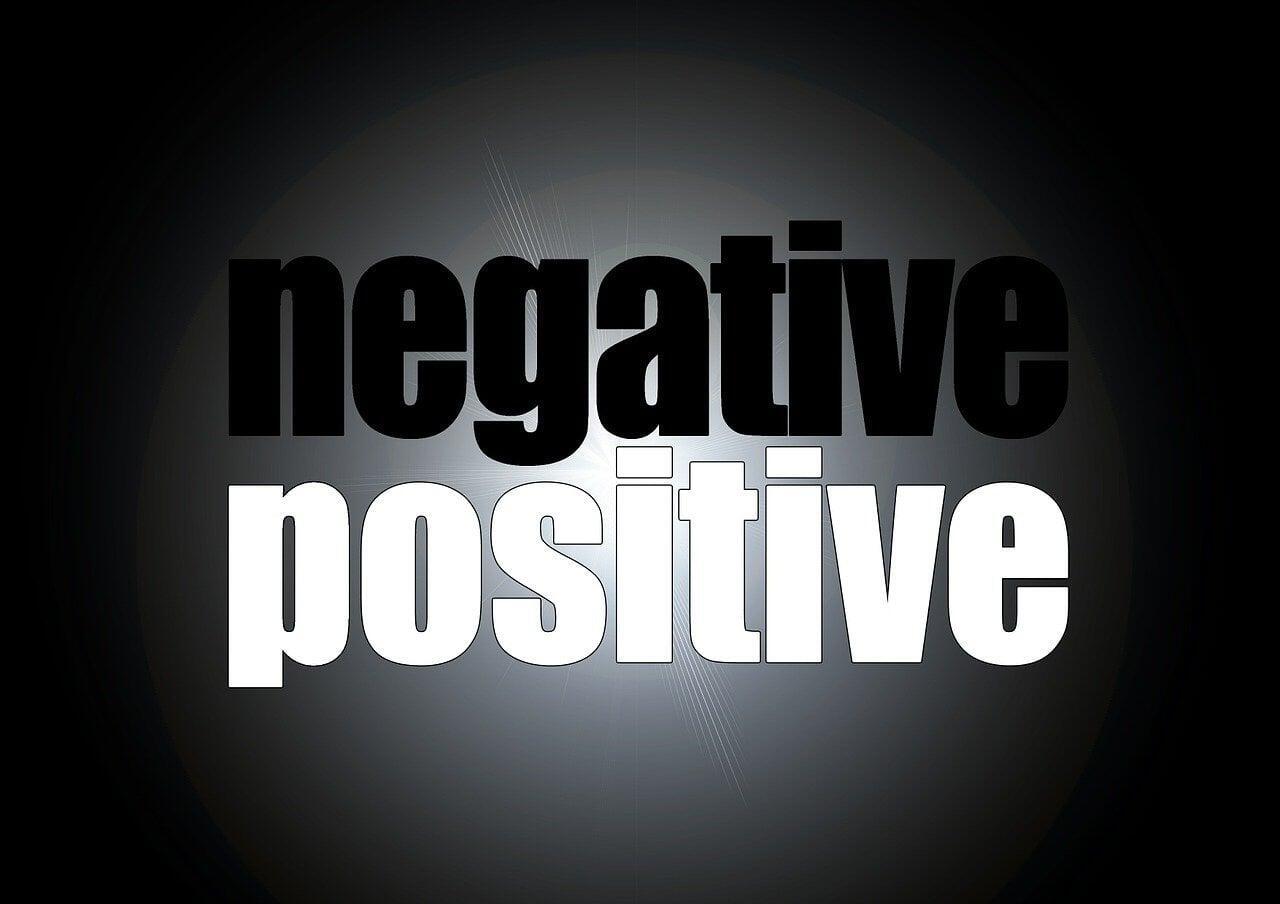
Evolution trained us to notice danger far more quickly than safety — a hardwired negativity bias that once kept us alive. As a result, good news often triggers skepticism ("Is this too good to be true?"), emotional caution, or simply gets swept aside by the busyness of daily life before it has a chance to sink in. Even sudden positive shifts can feel destabilizing, because they disrupt the emotional rhythm we've settled into. This is the baseline that all of us are working against.
For cancer survivors, these universal tendencies don't just persist — they deepen, taking on a more personal and complex form.
Waiting for the other shoe to drop. Good news can feel like a temporary reprieve rather than a lasting reality. Even with good news in hand, the mind remains braced for what might come next, making it difficult to settle into the present moment.
Scanxiety. The cumulative trauma of prior bad news can create a conditioned response where any medical update — regardless of the outcome — triggers anxiety and dread. The body has learned to brace itself, and it doesn't unlearn that quickly.
Difficulty trusting the body again. Cancer can leave survivors feeling betrayed by their own bodies. Even genuinely positive results don't always restore that sense of confidence or safety.
Survivor's guilt. For those who have lost others to the same disease, feeling relief or happiness can carry a complicated emotional weight. Celebrating can also feel a little uncomfortable when others you know are still fighting.
Emotional exhaustion. After the long, draining arc of diagnosis and treatment, many survivors simply don't have the emotional reserves to meet good news with the celebration others expect. The joy feels real but distant — like something happening just out of reach.
Paralysis by analysis. Rather than absorbing the positive outcome, some survivors get stuck parsing and nitpicking every caveat, qualifier, or future uncertainty in what the doctor said — unable to accept the good news at face value.
Social pressure. Well-meaning friends and family who say "You're all better now!" can inadvertently make things harder, creating an unspoken pressure to perform a happiness that hasn't yet arrived internally.
Taken together, these forces can create a strange and disorienting disconnect — one that is difficult to explain to those who haven't lived it. The good news is real. The struggle to receive it is equally real. And for many survivors, that gap between the two can feel isolating in ways that are hard to articulate.
How to Effectively Process Good News
Processing good news is not automatic — it is a skill that can be learned and strengthened with intentional practice. Here are the most effective approaches:
1. Acknowledge the Good News
Instead of moving on quickly, consciously stop and recognize what has just happened.
Say it clearly to yourself: "This is really good news."
That simple act helps your brain register the moment as significant rather than letting it slip by unabsorbed. What we don't consciously acknowledge, we tend to unconsciously dismiss.
2. Pause and Let the Moment Land
When you receive good news, take a deliberate pause before re-engaging with the busyness of life. Breathe slowly. Notice where you are — what you see, what the air feels like, what is true right now. Mindfulness practices help the nervous system transition out of the fight-or-flight state you may have been living in and into a place where positive information can actually take root.
Journaling immediately after a good appointment is also a powerful tool. Writing down exactly what was said — and what you feel in response — creates a tangible record you can return to on harder days when you might need a little boost.
3. Give Yourself Permission to Feel Everything
The goal is not to manufacture instant gratitude or joy. The goal is to feel whatever is actually present — relief, sadness, happiness, grief, contentment, fear, uncertainty, or all of them at once — without judging yourself for it. There is no wrong way to feel about your own experience in this moment.
Your emotional response is not a malfunction. It is a natural consequence of everything you have been through. And if you let it, it can also become an opportunity to reflect, grow, and heal in ways that go far beyond the physical.
4. Share the News, Even If It Feels Awkward
Telling someone you trust helps make good news feel real. Choose people who will reflect the positivity back to you — those who can hold the moment with you without minimizing it or immediately redirecting to what comes next. Hearing yourself say it out loud, witnessed by someone who genuinely cares, anchors the experience in a way that private processing alone cannot.
Peer support groups for cancer survivors can be especially valuable here. Others in the group understand the emotional complexity in a way that even the most loving friends and family sometimes cannot.
5. Separate Present Facts from Future Fears
One of the most effective things you can do is learn to distinguish between what is true right now and what you are afraid might happen later.
- Fact: "My scan is clear."
- Fear: "What if the next one isn't?"
Both thoughts may feel equally real, but only one of them is happening today. Train yourself to notice when you are projecting into an uncertain future rather than staying grounded in the present. Processing good news requires occupying the moment you are actually in.
6. Create a Personal Ritual
Mark the moment in a way that feels meaningful to you — a walk somewhere special, a meal you love, a letter written to yourself, or a small celebration shared with someone close. The specific ritual matters less than the intention behind it. Rituals send a clear signal to your brain: this moment is worth honoring.
7. Practice Receiving, Not Just Enduring
Much of the cancer experience is about endurance — pushing through, holding on, getting to the other side. Processing good news requires a different posture entirely. It asks you to shift from enduring to receiving — to allow yourself to feel supported, relieved, and even safe. That shift does not come naturally after prolonged survival mode, but it can be practiced.
8. Build Trust Gradually
You do not need to feel instantly confident or carefree. Trust in your body, in your results, and in the future rebuilds slowly — through repeated positive experiences, one step at a time. Each piece of good news is not a finish line. It is a foundation.
Practice these approaches consistently, and you may begin to notice a quiet but meaningful shift: good news starts to feel less like a fragile bubble and more like a solid step forward.
Conclusion
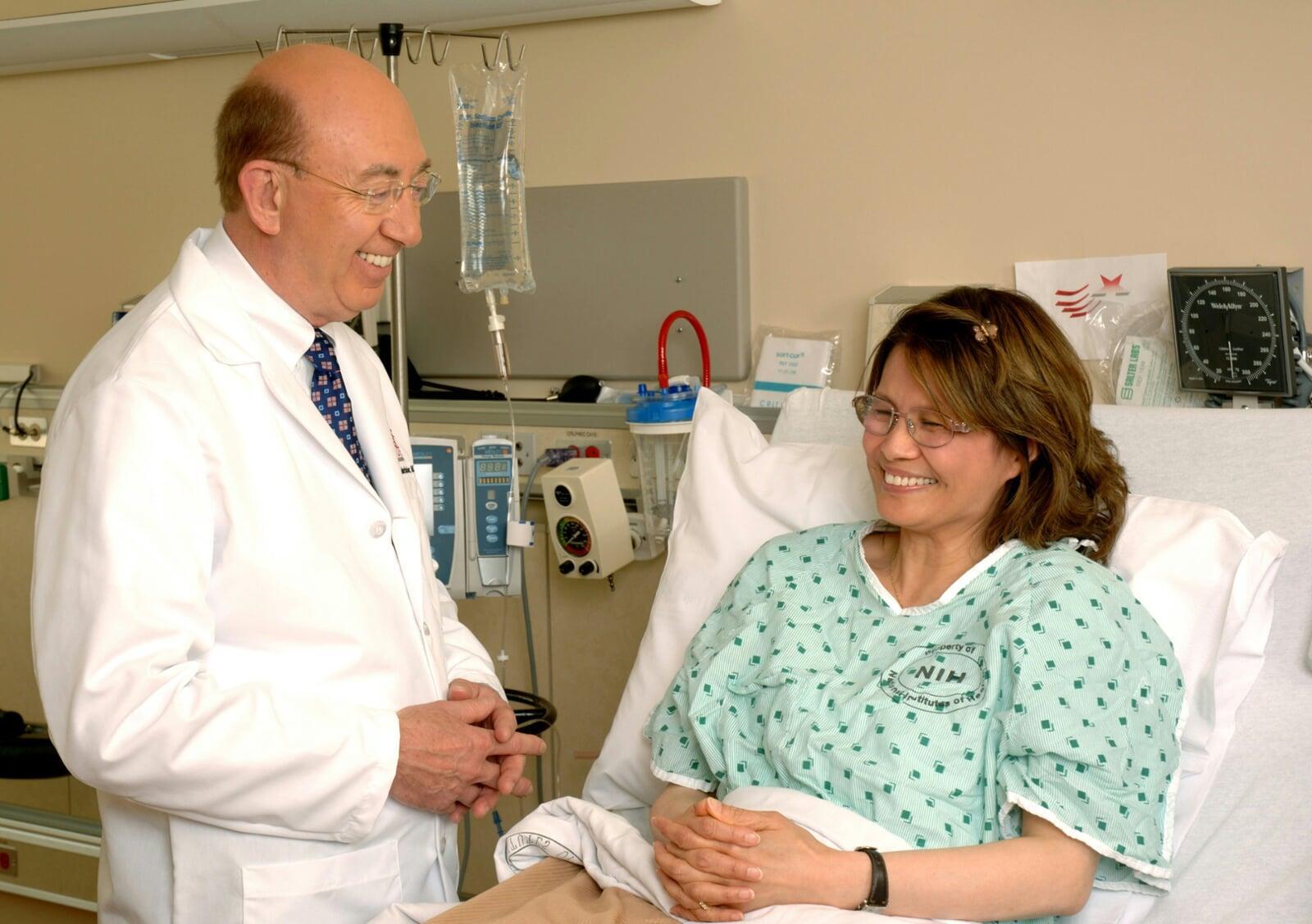
Processing good news after cancer is about giving yourself permission to feel the full, messy, beautiful truth of the moment. Every time you do, you’re not just celebrating a scan result; you’re actively building the emotional resilience that supports your body’s continued healing.
You’ve already survived through some really tough times. Now you get to learn how to thrive in the good times, too. You’ve absolutely earned the right to enjoy good news. Hold it firmly, celebrate it gently, and let it fuel the healthy, hopeful life you fought so hard to reclaim.
Final Thoughts
Five months from now, I’m going to go to my last appointment at the cancer clinic. I’m expecting my oncologist to tell me that after being cancer-free for 5 years that they now consider me “cured” of cancer and that I no longer need to visit the cancer clinic. Then I’m going to jokingly tell him that, “I never want to see you again.” I’m really looking forward to it and it should be a happy moment with lots of smiles to go around for everyone.
I imagine myself slowly walking out of the cancer clinic for the last time ... and I bet I’ll still be processing that ‘good news’ as I walk through the doors and out into the next chapter of my life.