
Effective ways to rebuild a life where you feel strong, capable, and in control again.
It was truly shocking — my memory had been wiped almost completely clean. I had just finished my 11th round of chemo, and within a few hours my mind had gone nearly blank. Then it got worse. I tried to type a short message, and the words came out as gibberish. Almost all the letters were out of order, missing, or duplicated. I could still speak fine, but I had lost my ability to type.
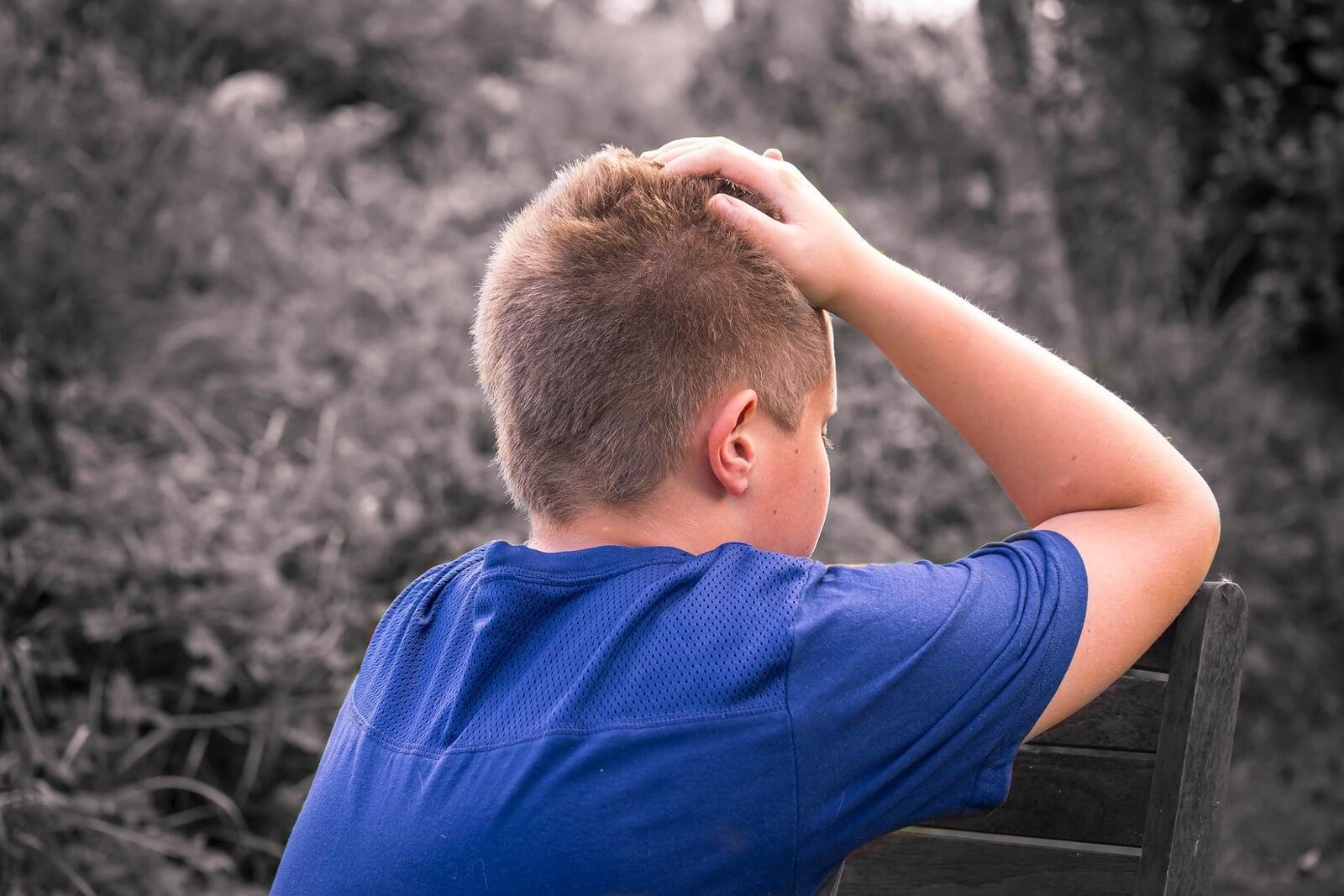
That was the moment when panicked thoughts began racing through my mind. How was I going to work? If I couldn't remember and I couldn't write, how could I ever return to my job? How was I going to use a computer or my phone? My entire life had revolved around those devices. I couldn't even talk sports with my buddies anymore — I couldn't remember any of the players' names.
As it turned out, that moment of panic was just the beginning of what would become one of the longest and most difficult chapters of my recovery. Regaining my memory and recovering my ability to type would be two of the most crucial elements in my journey back to full independence and self-sufficiency.
Introduction
Cancer changes many things, including the way we see ourselves. For many survivors, one of the most quietly painful losses isn't physical at all. It's the loss of independence.
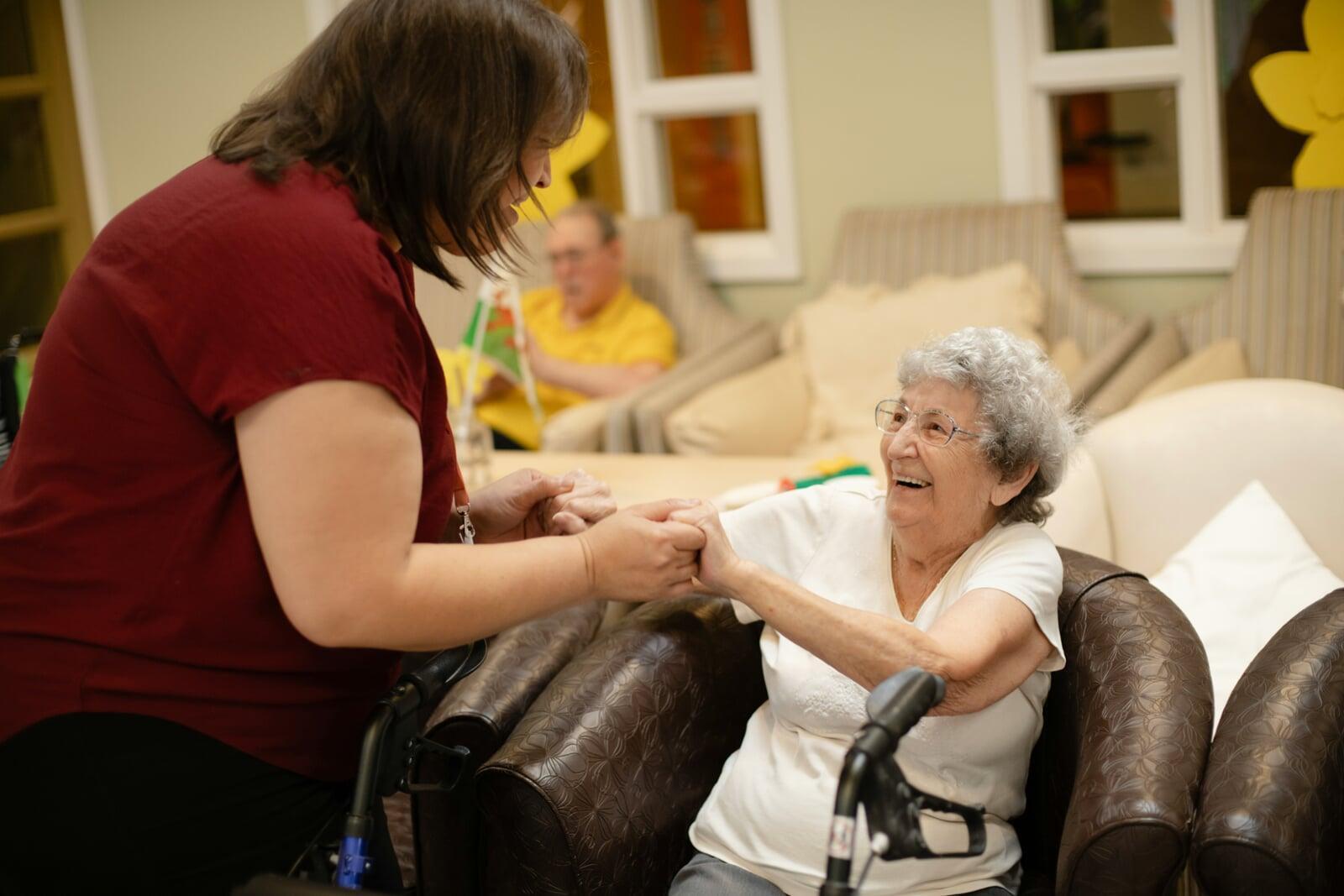
During treatment and recovery, patients often become dependent on others for transportation, cooking, managing schedules, making decisions, physical care, financial assistance, and emotional support. While that help is often necessary and deeply appreciated, there comes a point when many survivors begin to wonder how they can reclaim a sense of independence and self-sufficiency. For many, it can feel like they've become passengers in their own lives.
Reclaiming that independence is one of the most important — and often underestimated — parts of the healing journey. But it rarely happens on its own, and it's rarely simple. In this post, we'll explore why regaining independence can feel so hard, what it actually looks like in everyday life, and most importantly, the most effective steps you can take to rebuild self-sufficiency so you can feel truly in control of your life again.
Why Regaining Independence Is So Hard
For many cancer patients and survivors, dependence doesn't arrive all at once — it creeps in gradually, and leaving it behind can feel just as slow and complicated.
The physical toll is real and lasting. Treatments like chemotherapy, radiation, and surgery can cause fatigue, pain, neuropathy, cognitive changes, and lasting physical limitations that make tasks you once did effortlessly feel monumental. Your body may look healed long before it actually feels healed.
Emotional and psychological barriers run deep. Fear is a powerful force. Fear of overdoing it, fear of falling, fear of recurrence — these can make it feel safer to stay within the protective bubble that others have built around you. Anxiety and depression, both extremely common among cancer survivors, can also quietly rob you of the motivation and confidence needed to push forward.
The medicalization of daily life. The medical system can unintentionally reinforce passivity. When others have been managing your medications, appointments, and care decisions for months or even years, it's easy to feel like a passenger in your own life. Shifting from a highly structured medical environment back to a self-directed routine can be jarring. Rebuilding the confidence to take control again takes time and real intention.
The caregiver dynamic shift. Dependence can become a comfort zone — for everyone. Caregivers, family members, and friends pour enormous love and energy into helping you during treatment. Over time, those roles and patterns become deeply ingrained. Your loved ones may continue hovering out of love, or out of their own fear of losing you. Accepting help can begin to feel like the new normal, even when you're fully ready to do more on your own. Breaking out of the patient role — and helping well-meaning caregivers step back — takes conscious, sometimes uncomfortable effort.
There is also the reality that life itself may have changed. Careers, finances, routines, social circles, and personal priorities are often significantly altered by cancer. Regaining independence may not mean returning to the exact life you had before your diagnosis. More often, it means creating a new version of independence — one that fits your life as it is now.
What This Looks Like in Daily Life
Struggling with independence after cancer doesn't always look the way you might expect. It can be subtle and easy to overlook, especially when you're focused on simply getting through each day.
Here are some ways this issue commonly shows up:
- You've fallen into the "Can you do this for me?" habit. You automatically ask a partner or friend to handle tasks you used to do on your own, simply because it feels less overwhelming.
- You keep putting things off. You tell yourself you'll wait until you're stronger — for things you could actually start doing now, in a smaller or modified way.
- You've stepped back from your own decisions. Others have taken over managing your care, schedule, or daily routine, and you're not quite sure how to step back in.
- You constantly seek reassurance before acting. Making even simple decisions feels uncertain without someone else's approval or input.
- You experience guilt and frustration cycles. You feel deep guilt for needing help, then a flash of resentment when someone tries to do something for you that you know you could do yourself.
- You've stopped driving. Fear has kept you home, and the isolation has quietly grown.
- Your social life has shrunk. You've stopped making plans and now wait for others to initiate, rarely leaving the house on your own terms.
- You've lost your sense of identity. Cancer has made you feel like a lesser version of yourself, and you're not sure how to reclaim the capable person you know you still are.
If you've ever thought, "I used to be able to do everything myself," you are not alone. Every cancer survivor has had thoughts like these. The important thing is to recognize them as signals, not signs of weakness. Simply being aware of these patterns is often the essential first step toward rebuilding your independence.
How to Reclaim Your Independence
Regaining independence is not about forcing yourself back into who you were before cancer. It's about building a new, sustainable sense of self-sufficiency that honestly reflects where you are now.
Here are some of the most effective ways to do it:
1. Start Small and Build Momentum
One of the most powerful ways to regain independence is through small, consistent successes. Rather than focusing on everything that has changed, identify one manageable area where you can take greater ownership this week. Small victories build real confidence and reinforce your belief that you can handle larger challenges.
2. Rebuild Physical Strength Gradually
Physical capability has a direct influence on confidence. With your healthcare team's guidance, activities like walking, stretching, and strength training can help rebuild stamina and restore your sense of control over your own body. As physical strength returns, many survivors naturally find themselves more capable of managing everyday responsibilities.
3. Work With a Rehabilitation Team
Physical therapists, occupational therapists, and cancer rehabilitation specialists are specifically trained to help survivors regain function and capability. If you haven't been referred to one, ask your oncologist or primary care physician. This is one of the most underutilized and impactful resources available to cancer survivors.
4. Address the Mental Health Component Directly
Don't wait until you feel ready to work on the emotional side of this. A therapist who specializes in oncology or chronic illness can help you identify fear-based patterns, rebuild your confidence, and work through the grief that often underlies dependence. Many cancer centers offer counseling as part of their survivorship care programs.
5. Practice Decision-Making
Cancer often places patients in situations where decisions are made by healthcare providers, caregivers, or family members. Reclaiming independence means actively participating in choices again. Start by making intentional decisions about your schedule, activities, goals, or personal priorities. Confidence grows through practice — even small decisions count.
6. Learn New Ways to Accomplish Tasks
Sometimes independence doesn't mean doing things exactly as you did before. It may require adaptation. Assistive technologies, organizational tools, mobility aids, meal delivery services, transportation resources, and modified routines can all help survivors remain independent while accommodating ongoing limitations. Simple tools like grabbers, jar openers, and shower chairs can make a surprising difference. So can high-tech solutions like voice-activated devices, medication management apps, or voice recognition software. Being resourceful is a sign of self-sufficiency, not dependence.
7. Reconnect With Your "Before" Roles — With Adjustments
Think about the roles that gave your life structure and meaning before cancer: professional, parent, volunteer, hobbyist. Work with your medical team to identify a realistic path back to those roles, even if in a modified form. Returning to meaningful activity is one of the strongest drivers of lasting independence.
8. Accept Help Strategically
Regaining independence doesn't mean refusing all assistance. True self-sufficiency often involves knowing when support is genuinely helpful and when it is no longer necessary. Rather than trying to do everything alone, focus on taking ownership of what you can manage while using your support systems wisely. Independence and connection can absolutely coexist.
9. Have an Honest Conversation With Your Caregivers
The people who love you may not realize they're still operating in full caretaker mode. A direct, kind conversation — letting them know you need the space to try things on your own — can be incredibly freeing for everyone. Try something like: "I really want to try doing this myself today. If I get stuck, I promise I'll ask for your help." Give them a new way to support you: encouragement instead of assistance, companionship instead of caretaking.
10. Be Patient With Yourself
Recovery rarely follows a straight line. There will be setbacks, difficult days, and moments of real frustration. Patience isn't passive — it's an active part of the process. Confidence grows through patience, practice, and time.
Conclusion

One of cancer's greatest challenges is that it can temporarily take away parts of life that once felt completely automatic — including our sense of independence. Yet independence is not defined by never needing help. It is defined by having the confidence, ability, and freedom to direct your own life.
Regaining independence after cancer is not a race, and it is not a measure of your strength. It is a process — one that requires patience, honesty, and deliberate effort.
There will be setbacks. There will be days when dependence feels safer. But there will also be moments when you do something entirely on your own and feel, maybe for the first time in a long time, like yourself again. Hold onto those moments. Build on them.
You've already proven your incredible strength by surviving. Now it's time to reclaim the life that survival has made possible — and to define what you are still capable of becoming.
Final Thoughts
When I first lost my ability to type — texting, messaging, and email all became incredibly difficult. Even writing two sentences was a long, frustrating process.
Reading became nearly impossible — not because I couldn't read the words, but because I couldn't retain what I had just read.
And honestly, I was embarrassed. I had always prided myself on my memory. Now friends and family were treating me like someone with advanced Alzheimer's.
After a couple of weeks of feeling sorry for myself, I had a breakthrough. I started using voice recognition software to do my writing, and that turned out to be a huge turning point in my recovery.
Deep down I also knew I couldn't give up on reading, so I stopped trying to read books and focused on articles instead — content where you don't need to remember what you read the day before. My instinct was right. Seeing and engaging with the written word consistently over time helped me gradually teach myself how to write again.
As for my sports buddies, I worked at that too. My trick was to pick a specific topic or player, do some focused preparation right before we got together, and then lead with that topic early in the conversation. Once I'd taken my turn to speak, I could sit back, relax, and simply pick my spots for the rest of the discussion. They never knew.

It's been about five years since I woke up that morning with my memory nearly wiped clean. I worked very hard at my rehabilitation. And I'm grateful to say that today I'm fully back — 100%.
Before cancer, I never gave writing a second thought. It was simply a tool — automatic, no more remarkable than tying my shoes.
Cancer made it remarkable. It ripped that ability away and forced me to earn it back one word, one sentence, one page at a time. That process changed something deep inside of me. What came back wasn't just a recovered skill. What came back was a writer.
Cancer tried to silence me. It ended up giving me my voice.