
How to effectively use the best self-advocacy communication techniques.
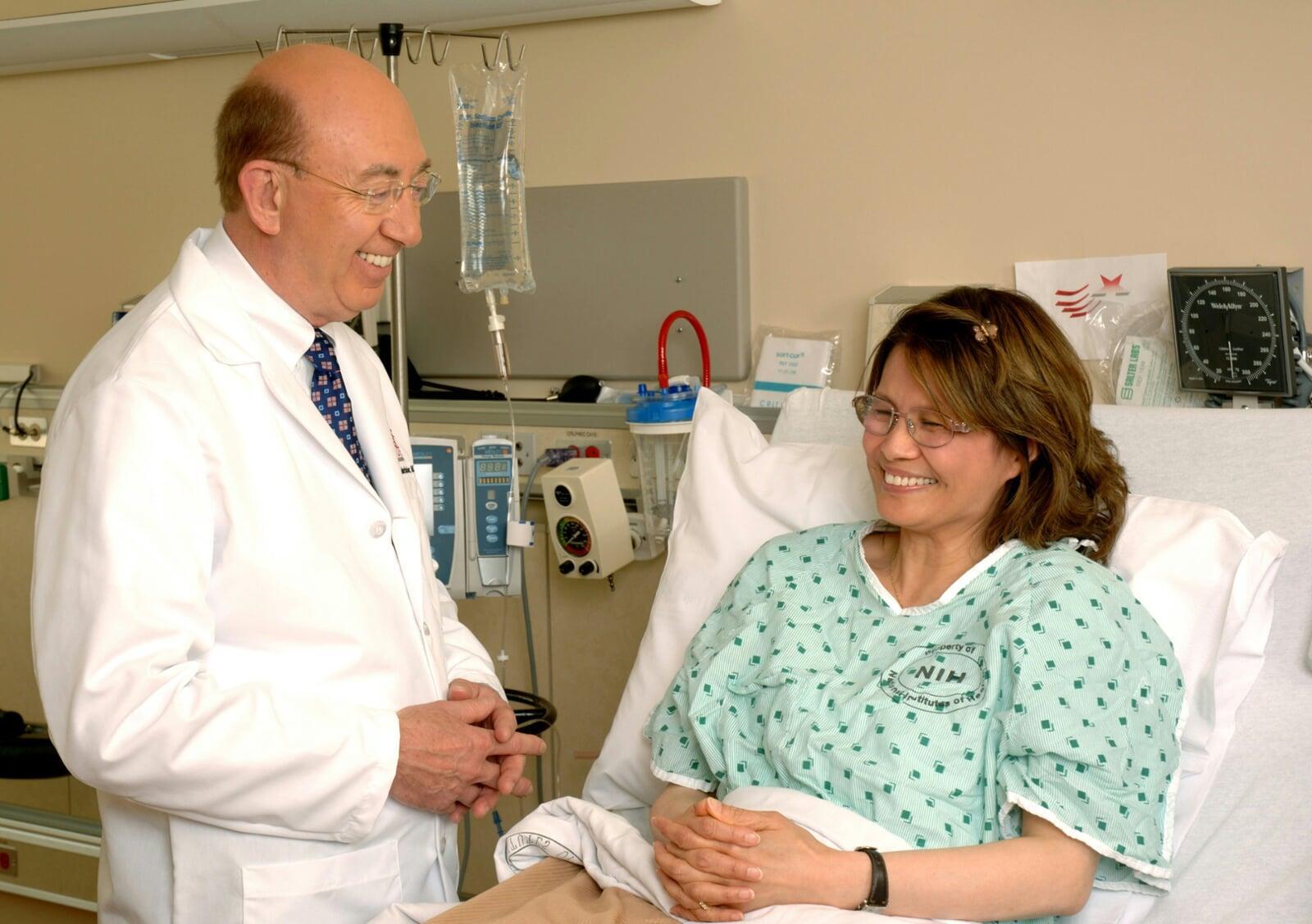
For cancer patients and survivors, self-advocacy isn’t optional — it’s essential. At the heart of self-advocacy is learning to communicate openly and assertively with your doctors and nurses. Mastering this skill transforms you from a passive recipient of care into an empowered, active partner in your own cancer journey.
Benefits
First, let’s look at some of the benefits of getting really good at these communication skills:
- Higher satisfaction with care
- Better adherence to chosen treatments
- Lower decisional regret
- Reduced anxiety & depression
Speak Clearly About What You Want
Tell your oncologist what you think is important to you, such as: goals, priorities, and values. Your doctor is not a mind reader.
- Goals – Example: aggressive treatment vs. quality of life
- Priorities – Personal preferences for: avoiding certain side effects, staying active, time with family, return to work, etc.
- Values – This may touch on things like: independence, symptom control, longevity, peace of mind

Request Clear & Understandable Explanations
If you don’t understand something like medical jargon, simply stop the conversation and say, “I don’t understand” or “Can you please explain that another way?” Alternatively, you can use the 'Teach-Back' method by saying, “Let me repeat back what I understand, to be sure I’m getting it right.”
Ask Proactive Questions
Oncologist expect questions. Being a strong self-advocate by asking proactive questions let’s your doctor know that you’re not holding back on them. They respect that and more importantly they need that communication feedback to do their job effectively.
Be Honest and Transparent
- Share accurate and timely information about your side effects.
- Tell your healthcare team about any deviations regarding your treatment, such as pill taking, falling down, blood pressure, etc.
- Share emotional and mental health concerns. If things get too dicey, ask for a referral to your clinic's supportive services.
Bring Up Disagreements or Uncertainties
Feel free to bring up disagreements and probe uncertainties but do so in an ‘assertive and respectful’ manner. In the long run, this fosters trust and encourages shared decision-making rather than passive acceptance.

Walk a Mile in Their Shoes
Be mindful that your oncologist has many patients. Some of those patients may be much worse off than you are. Your doctor may have just had a very difficult conversation with a dying patient and their family before walking into your appointment. Give your doctor a little latitude at the start of your appointment, so they can transition to the specifics of your case and then fully engage with your concerns.
Conclusion
The best patients aren’t passive—they’re active partners in their own care. Strong self-advocacy, powered by clear and confident communication, is how you build that partnership and get the care you truly deserve.
Final Thoughts
There’s a lot that happens in a cancer clinic that you'll have absolutely no control over. The one thing you do have 100% control over is your attitude. Here's a suggestion you might try: I made a silent promise to myself every time I walked through the doors of my cancer clinic that I was going to be the best patient that the doctors and nurses would see that day. In my mind, this was just another powerful way (i.e. non-verbal) that I could communicate my self-advocacy to my healthcare team.