
Why walking may be the most powerful — and most underrated — tool in your cancer recovery journey.
To me, it felt a little like I had just visited an old friend.

In the previous two months, I had been through back-to-back surgeries to remove four tumors. When I finally felt comfortable enough, I decided to walk down to the lake — just one block away, so it wasn't much of a risk. When I got there, I was struck by the sight of all the people walking, running, and biking around the lake. That's when it hit me: this was what I had been missing. Normal, everyday life.
At the time, it felt like a full recovery was within my reach. In many ways, it was. Within just a couple of weeks, I was walking completely around the lake. That walk would quickly become one of the foundational habits I used in my recovery.
Introduction
Starting an exercise program after cancer treatment can sound intimidating. It can be easy to tell yourself that you're just not quite ready yet.
But walking is different.
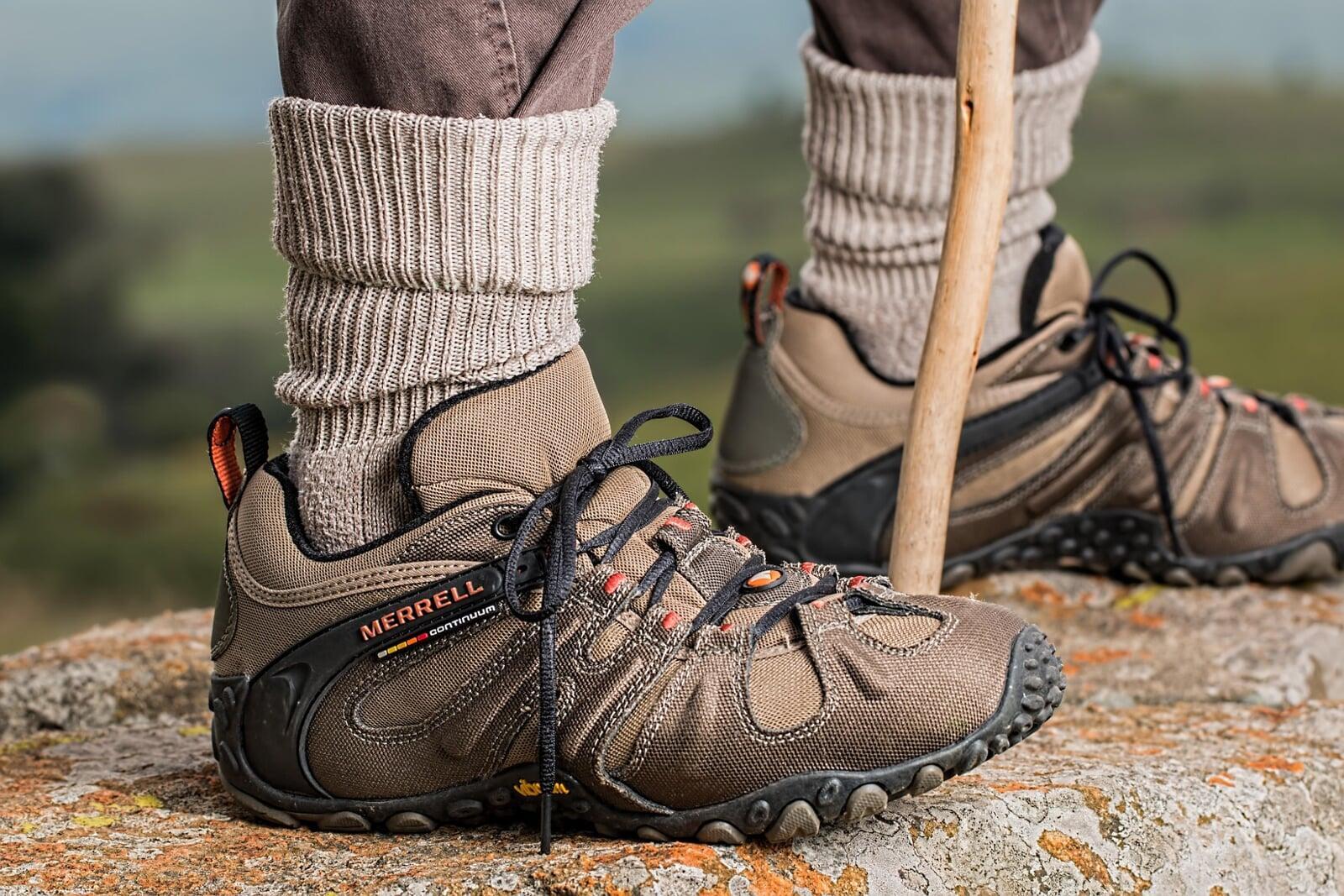
Walking asks nothing of you but a pair of shoes. It requires no special skills or expensive equipment, yet it delivers profound physical, mental, and emotional rewards. Research consistently shows that regular walking can reduce fatigue, clear mental fog, lift mood, restore physical strength, and rebuild a sense of forward progress.
Understanding why walking matters to cancer patients and survivors, what forms it can take, and how to begin safely and sustainably can transform it from a small daily activity into a meaningful part of healing and recovery.
Why Walking Matters
Exercise is no longer considered a luxury for cancer patients — it is increasingly recognized as a form of medicine. And among all forms of exercise, walking stands apart because it is accessible, adaptable, and remarkably well-studied in oncology settings.
Cancer treatment often creates a cycle of fatigue, inactivity, weakness, and emotional exhaustion. Ironically, prolonged inactivity can make many of the symptom’s patients are trying to avoid even worse. Walking offers a practical and manageable way to break that cycle.
Physical Benefits
Walking is one of the safest and most effective forms of low-impact cardiovascular activity. For many cancer patients and survivors, it can help:
- Improve energy and reduce treatment-related fatigue
- Support cardiovascular health
- Increase circulation and oxygen delivery
- Maintain or rebuild muscle strength
- Improve balance and mobility
- Reduce stiffness and joint discomfort
- Support immune system function
- Help regulate weight and metabolism
- Improve sleep quality
- Reduce deconditioning after treatment
Unlike intense exercise programs, walking allows you to scale your activity levels gradually without placing excessive stress on your body.
Mental and Emotional Benefits
Cancer recovery is not purely physical. Walking also provides emotional and psychological benefits that are equally important. It often helps:
- Reduce stress and anxiety
- Improve mood and emotional regulation
- Create mental clarity
- Reduce feelings of helplessness or stagnation
- Provide structure and routine
- Rebuild confidence in your physical capability
- Create moments of peace, reflection, or mindfulness
For many survivors, walking becomes one of the first activities where they begin to feel connected to themselves again.
Why Simplicity Matters
One reason walking is so effective is because it removes many of the physical and mental barriers to exercise. It does not require expensive equipment, athletic ability, or perfect health. On difficult days, even a five-minute walk can create momentum. On stronger days, it can expand into endurance, exploration, or social connection.
The goal is not perfection. The goal is simply to keep building your sense of forward momentum — one step at a time.
What Are the Walking Options?
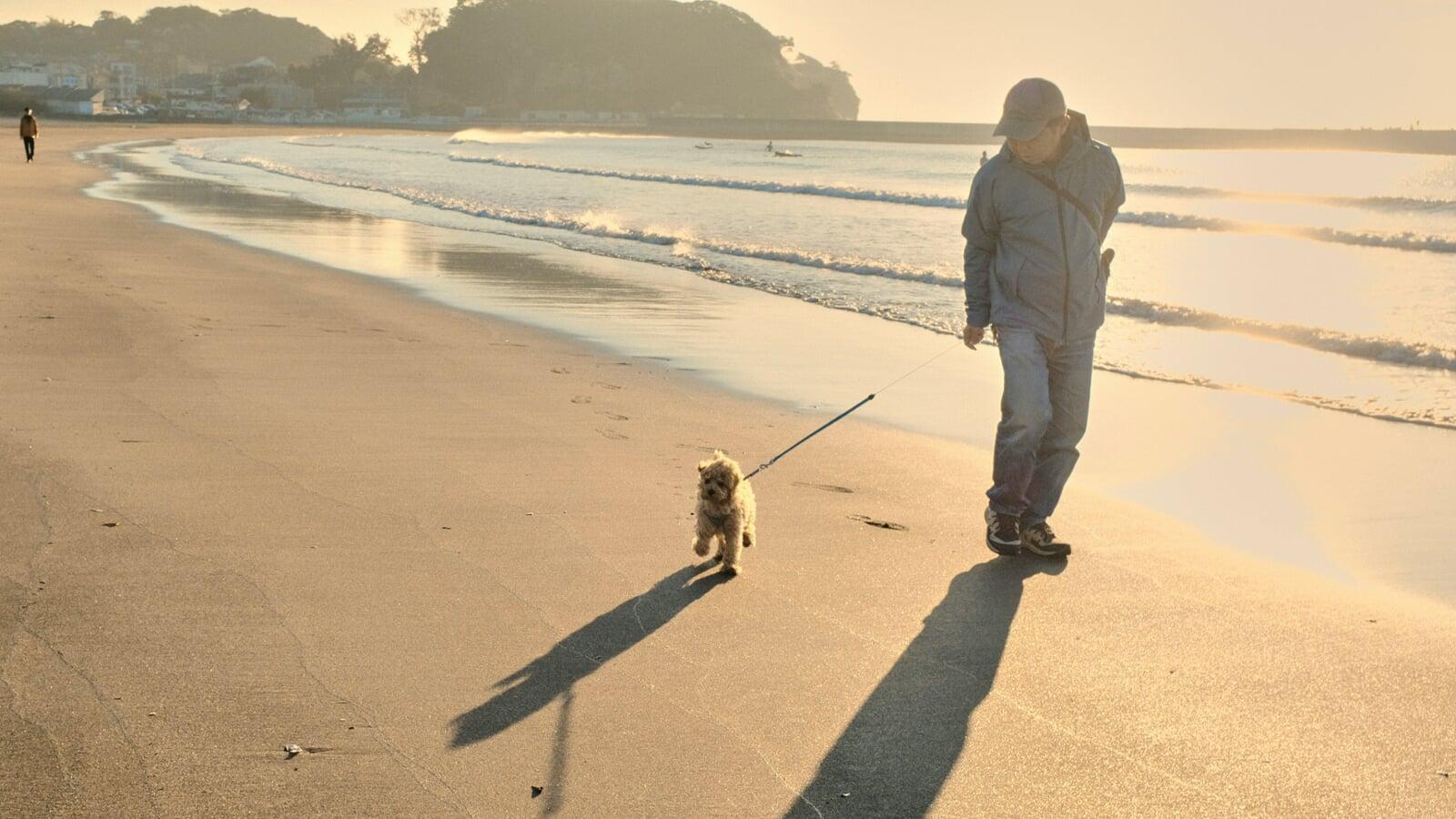
One of walking's greatest strengths is its versatility. There is no single "right" way to walk, and the best option is simply the one you will actually do today. Walking can be adapted to nearly every fitness level, environment, and stage of recovery. You can mix and match your approach based on your energy levels, the weather, or your mood.
Here are some of the most popular options:
Neighborhood Walks & Sidewalks
Simple neighborhood walks are often the easiest starting point. Sidewalks, quiet streets, and local parks provide accessible, familiar environments. Benefits include:
- Convenience
- Low pressure
- Flexible timing
- Easy pacing adjustments
- Consistency and routine
Walking Paths, Greenways, and Parks
Dedicated walking trails and park loops can make walking more enjoyable and motivating. These environments often provide:
- Safer walking surfaces
- Reduced car traffic
- Natural scenery
- Benches and rest areas
- Opportunities for longer walks
Natural settings also improve mood and reduce stress on their own.
Casual Hiking & Nature Trails
For survivors with improving strength and endurance, light hiking adds variety and gentle challenge. Casual hiking may include:
- Forest trails
- Coastal walks
- Gentle elevation changes
- Nature preserves
- Gravel or dirt paths
Uneven terrain can improve balance, coordination, and stabilizing muscles, while also creating a satisfying sense of adventure and accomplishment.
Treadmill Walking
A treadmill offers a controlled, climate-independent environment — essential when outdoor conditions are extreme. Benefits include:
- A safer option when immune suppression makes crowded spaces risky
- A perfect alternative when you simply don't feel like going outside
- Speed, incline, and duration that can all be adjusted with precision
Indoor Walking
Indoor options are especially valuable during bad weather, treatment periods, or low-energy days. Options include:
- Indoor tracks
- Shopping malls
- Community recreation centers
- Walking videos or guided indoor programs
- Walking in place
Water Walking & Aquatic Walking
Walking in a pool significantly reduces stress on aching joints. It can be particularly helpful for patients managing:
- Lymphedema
- Arthritis
- Significant muscle weakness
The water provides gentle resistance while protecting the body from the impact of land-based exercise.
Social Walking
Walking with others can provide accountability and emotional support. Examples include:
- Walking with family members
- Walking groups
- Cancer survivor support groups
- Walking a dog
- GPS orienteering
- Phone-call walks with friends
For many survivors, conversation makes the time pass more quickly and reduces feelings of isolation.
Cross-Purpose Walking
Some people stay more motivated when walking is tied to a purpose beyond exercise. Examples include:
- Walking errands
- Photography walks
- Birdwatching
- Walking meditation
- Charity walking events
- Step-count challenges
- Beachcombing
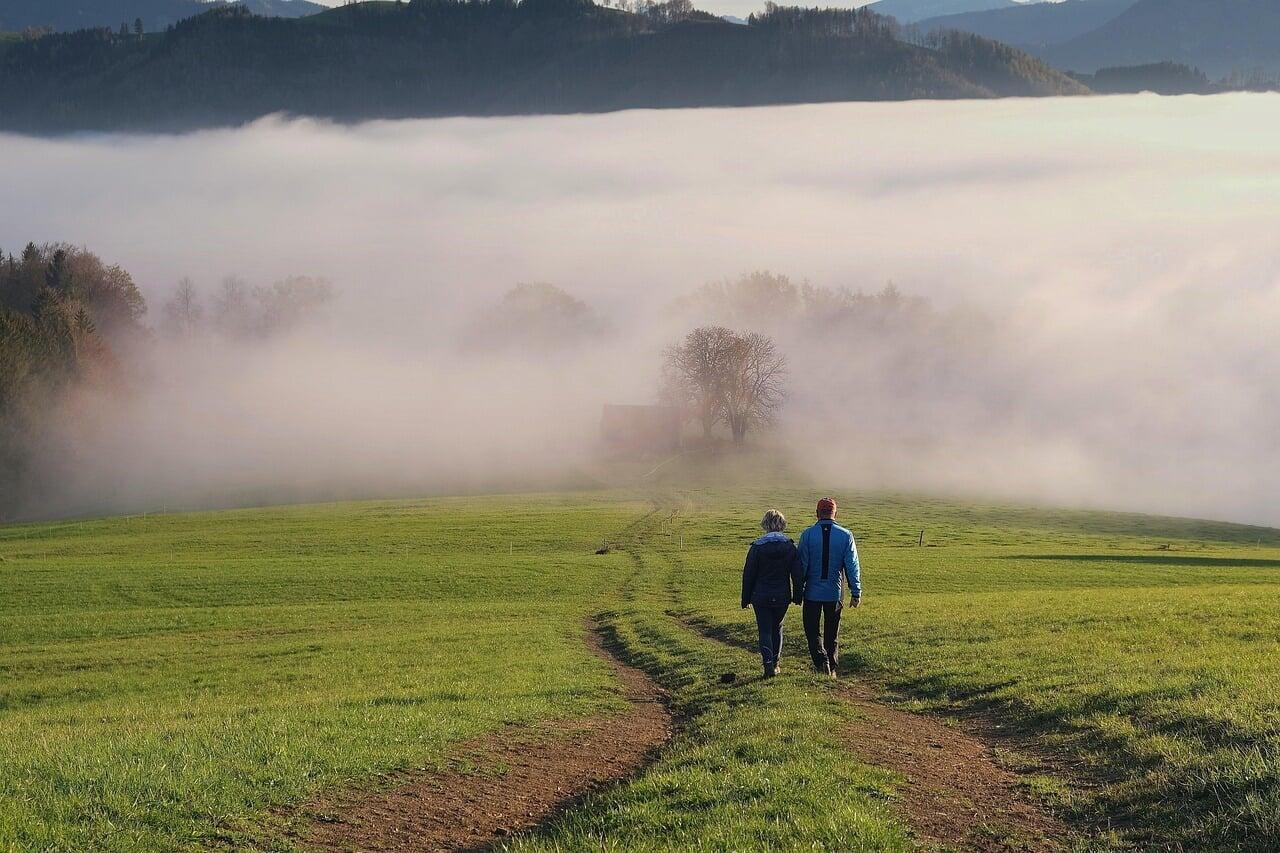
Walking does not always need to feel like "exercise" to be valuable. There are no wrong choices here. You may find that you rotate between options depending on the season, your daily schedule, or your energy on any given day. That flexibility can become one of the most important features of your entire routine.
How to Start a Walking Program
Starting a new walking routine requires a smart plan, the right gear, and a way to recognize your progress. Here is how to build a program that lasts.
Step 1: Get Medical Clearance First
Before starting any exercise program, always consult your oncology team. Ask specifically whether there are any restrictions based on your current health status. This is especially important for people who are:
- Currently in active treatment
- Recovering from surgery
- Experiencing dizziness or balance issues
- Managing heart or lung complications
- Dealing with neuropathy or severe fatigue
- Using mobility aids
The goal is to establish safe parameters. Their guidance should shape every aspect of how you begin.
Step 2: Start Small and Slow
Many patients underestimate how important it is to begin gently — and then become discouraged when they overdo it. Start with 5–10 minutes of easy walking, even if you feel capable of more. This protects against minor injuries and prevents energy crashes. If it feels good, gradually increase your time. It is always better to finish feeling capable than depleted.
Step 3: Build Gradually
Progression should be slow and sustainable. That said, realistic expectations include the likelihood of some setbacks along the way. Recovery from treatment is often uneven, and that is completely normal.
Step 4: Focus on Consistency Over Distance
Walking for 10 minutes on most days is far more beneficial than walking for an hour once a week and exhausting yourself. Consistency builds:
- Cardiovascular endurance
- Muscular adaptation
- Habit formation
- Confidence
- Emotional resilience
Never underestimate the value of short walks.
Step 5: Listen to Your Body
There is an important difference between healthy exertion and overexertion. Warning signs that you should stop and rest include:
- Light headedness or dizziness
- Minor chest pain
- Shortness of breath
- Sudden weakness
- Sharp pain
- Exhaustion that lingers well beyond normal recovery
Recovery after cancer is rarely linear. Your energy will fluctuate, and some days will simply require a different approach. On high-fatigue days, a short, slow stroll is still a victory.
Helpful Equipment:
Comfortable, supportive walking shoes
Proper footwear is an investment that pays off with every step you take. Take this decision seriously — your feet will thank you.
Fitness watches & smartphone apps
Wearable devices and smartphones can automatically track:
- Steps
- Distance
- Pace
- Heart rate
- Calories burned
- Walking routes
- Sleep quality
- Activity trends
These tools can be highly motivating because they make your progress measurable.
A word of caution, though: these are helpful tools, not taskmasters. If a day's numbers feel discouraging, remember that the watch cannot measure the effort it took to get out of bed and lace up your shoes — and everyone from a survivor to a professional athlete knows that 'perceived effort' is a measure worth keeping tracking of, too.
If technology isn't your thing, a simple paper journal can achieve similar results and keep you just as accountable.
Other helpful items
- Moisture-wicking, comfortable clothing
- A water bottle — stay hydrated
- Sun protection
- Walking poles or a walking stick
- Headphones or audio
Conclusion
Every great journey begins with a single, deliberate step. Walking is a gentle reminder that your body is capable of healing, adapting, and growing stronger. It is not about how fast you go or how far you travel — it is about the consistency of showing up for yourself, day after day.
So take a deep breath, lace up your shoes, and step forward into your recovery. Your body and mind will thank you for it.
Final Thoughts
A journey of a thousand miles may have begun with a single step — but my "road to recovery" was not going to be an easy one, and it was not going to run in a straight line like I may have thought at the beginning.
Three months after I had achieved what felt like was a "full recovery" from my surgeries, the walls came crashing down. The cancer had returned and I found myself back in the cancer clinic. The difference this time was that I already had a well-established habit: walking the lake.
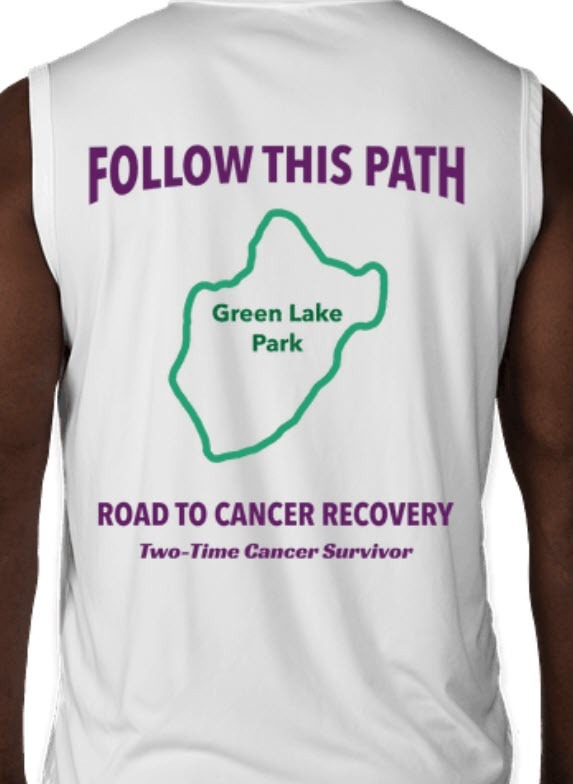
So I walked. And I kept walking.
It became much more than just exercise. Yes, it got me out of the house, it boosted my metabolism, and elevated my heart rate. But it also gave me space to breathe, to think, and to heal at my own pace.
Looking back now, I can see clearly that healing rarely looks heroic. Sometimes it just looks like a person, a pair of shoes, and a familiar path. For me, that path ran around a lake — the place where I remembered who I was. But walking was never just about exercise. It was my quiet way of saying — I'm still in the fight. I started walking that lake just to survive. Now I race around it to celebrate a second chance at life.